

Helping Your Child Learn – Notes for Parents
Kids learn in different ways and at different speeds — and that’s not a flaw. It’s completely normal. The real challenge is that education isn’t always designed with these differences in mind. Schools are built to serve the masses, not the individual child.
But as a parent, you can make a meaningful difference at home. With a few simple, thoughtful strategies, you can support your child in a way that aligns with who they are and how they naturally learn – without pushing harder or creating more stress. Here’s how to get started.
Pinpoint the Real Issue
When children struggle, it’s easy to assume the whole subject is the problem — maths, English, reading, history. But usually it’s one small snag causing everything else to unravel. It might be times tables, blending sounds, or organising thoughts on a page.
If you can identify this one sticking point, the rest becomes easier to navigate. Watch how your child behaves during homework or reading. Notice where the frustration starts or when they suddenly shut down. Those emotional clues reveal where the real challenge lies.
Once you spot it, talk to them gently about what’s going on. Let them know you’ve noticed they’re finding one part difficult and give them space to explain it in their own words. That shared understanding becomes your foundation.
Match Their Learning Style
Children don’t absorb information the same way. Some kids need to move while they learn, some need visuals, others need quiet or something hands-on. School can’t always adjust to each child’s preferences, but at home, you can.
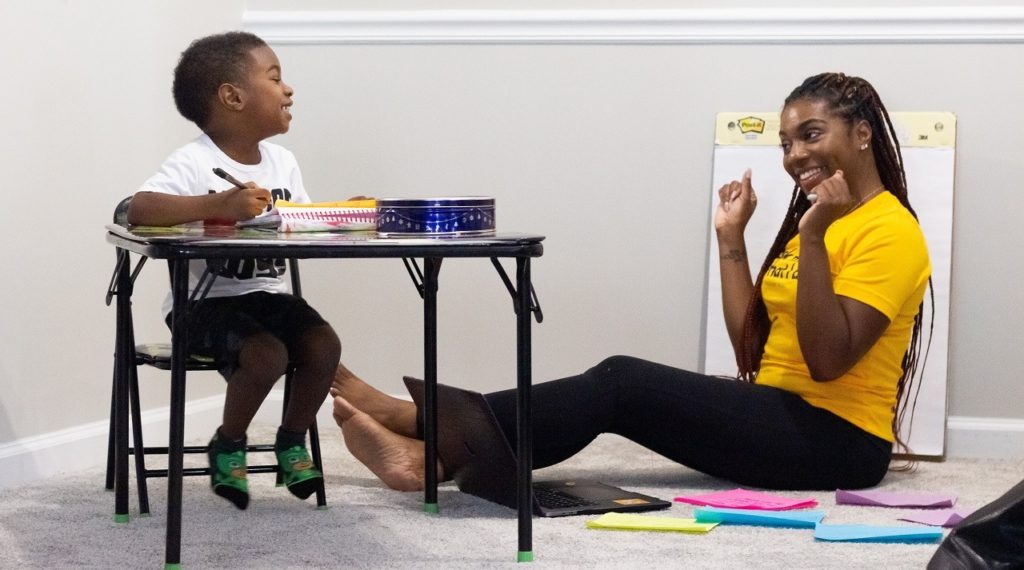
Experiment with different approaches: reading aloud together, using colour overlays, or swapping pen-and-paper tasks for whiteboards or chalkboards. Encourage them to draw ideas, build models, pace the room, tap a rhythm — whatever helps the information “click.”
What matters isn’t creating the perfect setup; it’s finding the one that feels natural and effective for them.
Bring in Backup
Parents carry a lot — work, home, routines — and supporting learning on top of everything else can feel heavy. Getting extra help doesn’t mean you’re stepping back. It simply means you recognise when more support could make life easier for both you and your child.
A tutor can make a huge difference, especially during exam years like the 11+, SATs, GCSEs, or A-Levels. Sometimes, progress comes faster with someone who isn’t mum or dad, because the dynamic is completely different. And remember: it’s not about chasing perfect grades. It’s about giving your child the right tools from someone skilled, patient, and experienced.
If, on the other hand, you want to play more of a tutoring role yourself but would welcome structured support to make it easier, resources like Cazoom Maths can help guide learning at home without adding extra pressure.
Celebrate What They’re Great At
When kids face challenges, it’s easy for them to forget everything they excel at. One difficulty can overshadow a whole world of strengths.
If you see your child becoming overwhelmed by what’s hard, guide them toward something that lights them up — drawing, music, puzzles, building Legos, crafting. Remind them that their abilities are wide and varied, and that struggling in one area doesn’t define their worth or their future.
Everyone has strengths. Everyone has challenges. Helping your child recognise both is one of the most powerful ways to support not just their learning, but their confidence and sense of self.