
Beauty Influencers, Drunk Elephant, and the Wild West of TikTok
As Head of Manchester High School for Girls’ Preparatory School, Samantha Gibbons has a front-row seat to the shifting landscape of childhood. In recent years, she has observed the growing impact of social media and aggressive beauty marketing—forces that now play a significant role in shaping young girls’ lives.
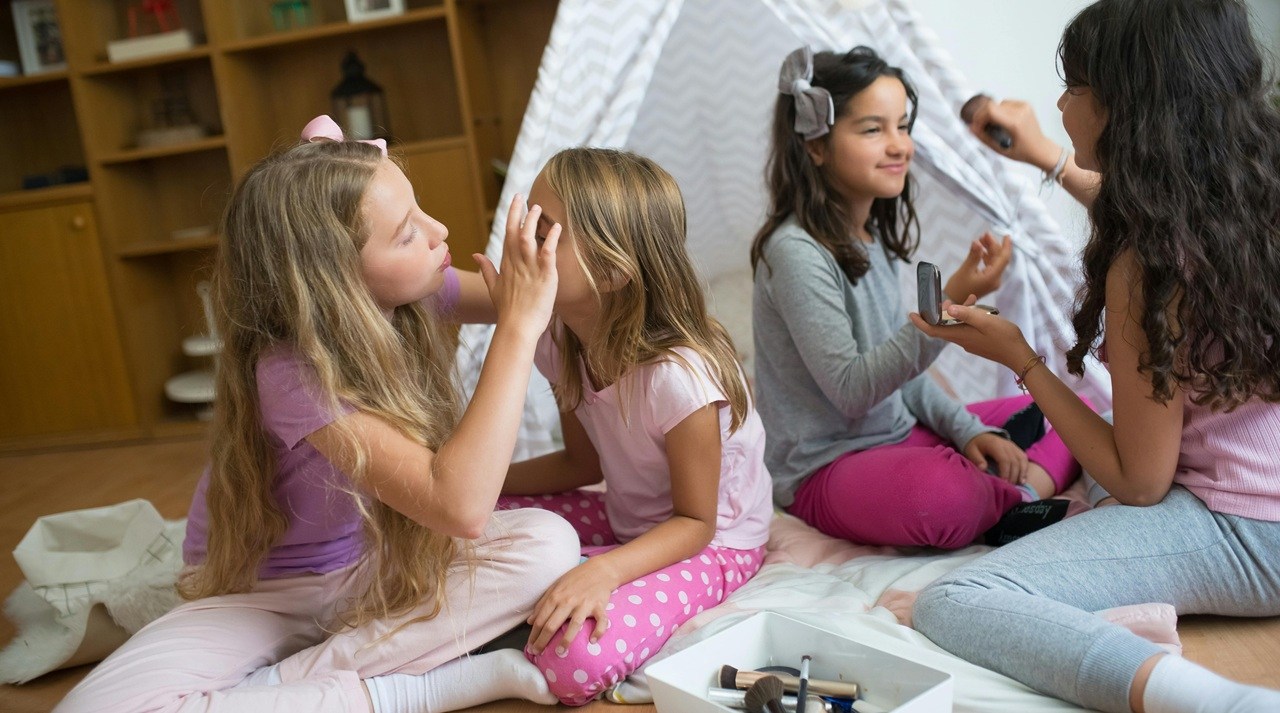
This summer, our Year 5 girls visited the Lake District for their residential. After a busy day outdoors, their teacher told them to brush their teeth and head to bed. Instead, a few politely asked when they could fit in their “beauty routine,” opening vanity cases full of skincare products.
The British Beauty Council valued the UK beauty industry at £27 billion in 2023 (around $500 billion globally). Though half the size of fashion, it is one of the fastest-growing and most resilient consumer industries, driven by online purchasing, wellness culture, and beauty influencers.
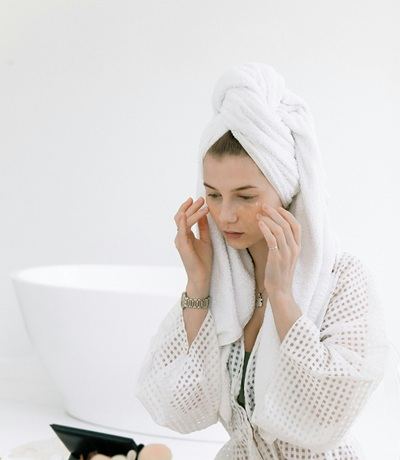 Platforms like YouTube, Instagram, and TikTok flood young feeds with “perfect” skin and routines to “fight ageing.” For tweens—especially girls aged eight to twelve—these constant messages suggest that beauty requires products and that ageing is something to battle before it begins. At a stage when identity is still forming, such exposure breeds comparison and insecurity.
We adults understand the formula: social media creates a problem, then sells the solution. Be thinner, prettier, more popular—just buy this product or follow this trend. Even when we think we see through it, we are still part of the data-driven system that sustains it. As Kaitlyn Regehr writes in Smartphone Nation, awareness of how our data is used is vital if we are to reclaim digital control—and teach our children to do the same.
Curious, I downloaded TikTok this summer. Within minutes my feed was filled with “Get Ready With Me” videos—some starring girls as young as four or five, confidently displaying multi-step skincare routines using brands like Drunk Elephant “to stop wrinkles like old people.” One video showed a three-year-old explaining her “skincare” routine under her mother’s direction. Teenagers parody these clips, while dermatologists warn against retinol and then promote “safer” products. It feels like the wild west of marketing, and one can only wonder what the next stage will be when these children begin to age in reality.
These routines can involve seven or more steps—cleansers, serums, moisturisers, eye creams, lip balms, bronzers, sunscreen—performed religiously day and night. Playful product names such as “O-Bloos Rosi Drops” or “Pekee Bar” create a cult-like brand language that bonds children and excludes adults. As Gen A–Z expert Chloe Combi calls it, this is “The Church of Drunk Elephant, where only the faithful are welcome.”
The cost is equally striking: a single Drunk Elephant “Babyfacial” costs around £65. Girls now request skincare for birthdays and compare collections at school. Even those not on TikTok encounter the trend as online culture seeps into playground life. The rise of “Sephora Girls”—tweens making skincare shopping trips—shows how retailers deliberately target ever-younger consumers through playful, immersive environments.
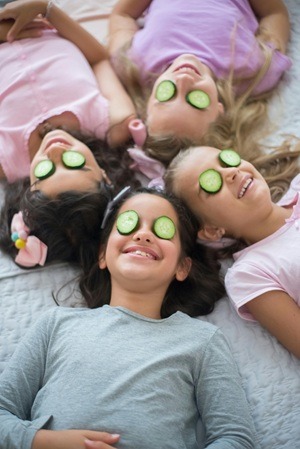 Yet dermatologists agree that children need little more than a simple cleanser, moisturiser, and sunscreen. My eight-year-old niece insists she loves Drunk Elephant because “it makes her skin healthy.” Her fifteen-year-old cousin has already moved on to makeup—proof that the consumer cycle simply shifts stages.
Why does this matter? Beyond wasted money, these trends risk damaging young skin and shaping fragile self-esteem. Unrealistic beauty ideals contribute to anxiety, low self-worth, and disordered behaviour, eroding resilience and self-acceptance at ever-younger ages.
To empower our girls, we must help them understand marketing, authenticity, and self-acceptance. This reinforces my belief that delaying social media access until the teenage years is essential. A BBC report recently linked declining girls’ academic performance since Covid to poorer mental health, disrupted sleep, and social media exposure. The Smartphone Free Childhood movement, supported by figures like Robbie Williams and Kate Winslet, argues persuasively that delaying phone use protects wellbeing. In our Preparatory School, we share this philosophy.
We use screens judiciously, support the Smartphone Free Childhood movement, and engage parents with ongoing guidance. Our curriculum encourages rich offline experiences—sport, art, music, outdoor learning—helping girls develop confidence and identity beyond the screen. Yet, we know the work is ongoing.
Ultimately, the greatest lesson we can give our girls is that beauty lies not in filters, followers, or fleeting trends but in authenticity. By helping them see through marketing illusions and embrace their individuality, we nurture genuine confidence. The wrinkles and laughter lines that one day appear will not be flaws but signs of a joyful, well-lived life. True beauty is being unapologetically oneself—and that is a message worth celebrating.