Eco Journey at Manchester Montessori House
At Manchester Montessori House, our 2024-2025 academic year has been rooted in a topic that sits at the very heart of our values – ecology and sustainability. The importance of caring for the environment has always been part of our ethos, and this year we’ve embedded it deeply into our curriculum through meaningful, hands-on experiences.
Dr. Maria Montessori believed there was no substitute for real-life experiences in nature. She said, “There is no description, no image in any book that is capable of replacing the sight of real trees, and all the life to be found around them, in a real forest.” Montessori recognised that nature offers not only educational value but also therapeutic benefits – helping children develop a sense of wonder, responsibility, and emotional connection to the world around them.
Our children at MMH are encouraged daily to connect with the outdoors through free play, guided learning, and our carefully designed outdoor classrooms. Nature becomes a cultural experience, a sensorial journey, and an essential part of the Montessori “prepared environment“. As Montessori said, “The child absorbs it… He incarnates in himself all in the world about him.”
With that in mind, we planned this year’s curriculum around mini-projects exploring key ecological themes.
Litter and Responsibility
We began with litter and environmental cleanliness. Children participated in community litter picks, using library-provided litter pickers and supported by Biffa. In class, they rescued sea animals from “polluted” tuff trays using tongs—building empathy, physical coordination, and awareness.
We introduced songs about recycling, created a classroom recycling station, and helped organise a community stall at Manley Park to promote clean waterways. These activities nurtured a sense of care for their community and built early environmental stewardship.
Harvest: The Nature’s Gifts
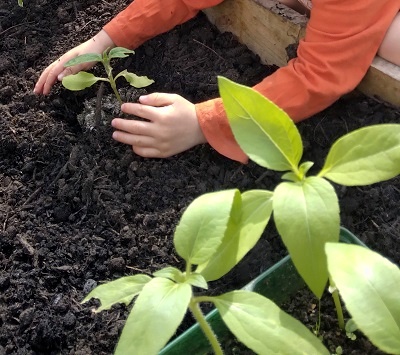
In September, we focused on harvest and food origins. We explored life cycles, food chains, and seasonal produce. The children grew fruits and vegetables, used them for sensory exploration, creative art, counting games, and in our snack area. These everyday moments helped teach gratitude, reinforce healthy eating, and introduce language, numeracy, and cultural studies.
Waste and the 5 Rs
To reduce waste, children enjoyed junk modelling using cardboard and recycled materials, while our community swap shop allowed families to exchange clothes, books, and toys. Children also experimented with filtering water and learned to reuse it in the garden.
We introduced the 5 Rs – Refuse, Reduce, Reuse, Repurpose, Recycle – empowering children to ask questions like, “Can I recycle this yogurt pot?” and build everyday habits for a better world.
Air and Pollution
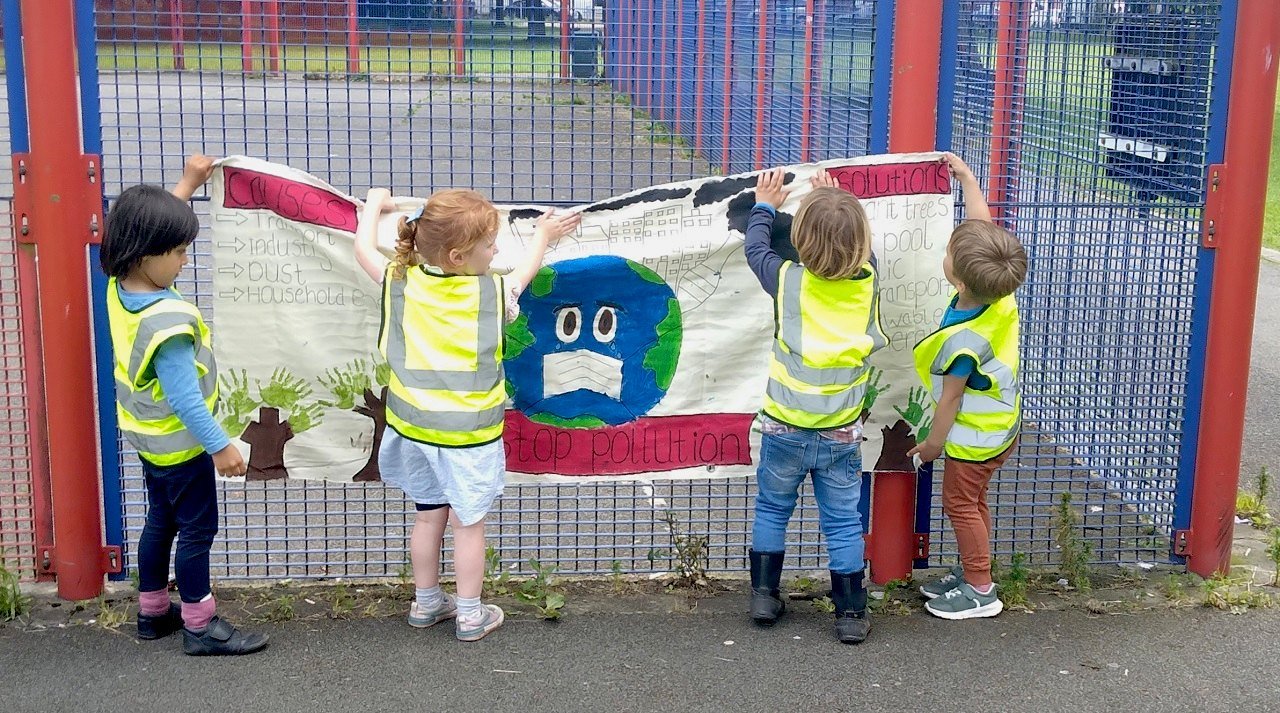
Children created banners and joined in a Clean Air Picnic with a local charity. We explored the impact of air quality through art (bubbles with clean and polluted air colours), songs, and sorting games. These activities sparked important conversations about breathing clean air, lung health, and making environmentally conscious travel choices.
Transport: Learning and Action
We looked at various modes of transport, discussing green transport and encouraging walking, scooting, and cycling. Most of our families already travel to nursery using sustainable methods, and the children joined us on local walks to explore nearby facilities and infrastructure. We even explored the use of cargo bikes and promoted bike and scooter safety.
Our Eco Committee created posters about the benefits of walking and cycling—building pride in our community’s green habits.
Healthy Living – For Us and the Planet
Healthy living was a key focus this year. We explored nutrition through independent snack times with fruit, vegetables, and plant-based options. We discussed the importance of movement and rest, and regularly engaged in obstacle courses and outdoor exercise, regardless of the weather.
We talked about how caring for our own health is closely connected to caring for the Earth—through growing food, respecting nature’s gifts, and learning how to make sustainable choices.
School Grounds and Biodiversity
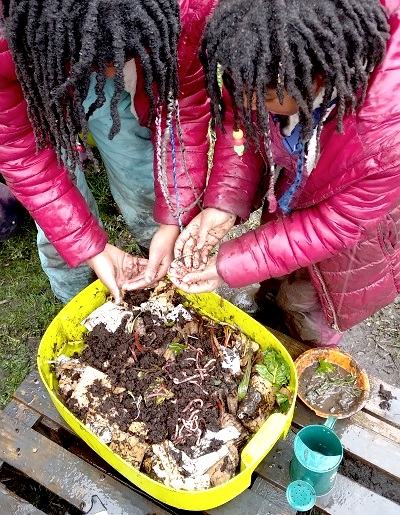
The children helped redesign our garden, with areas for flowers, herbs, and vegetables, a pond, bug hotel, and a bird box. Our garden layout was inspired by the shape of a tree, with each “branch” leading to a unique learning space. Children make bird feeders, observe insects, and enjoy topic-based activities in our outdoor classroom.
They were fascinated to watch tadpoles transform into frogs, and caterpillars become butterflies, releasing them into the garden with pride. They also enjoyed honey tasting while learning about bee life cycles.
Water and Oceans
Water was another central topic. We explored the water cycle, the importance of clean water, and ways to reuse and conserve it. Activities included filtering dirty water, washing clothes outdoors, collecting rainwater, and practical life tasks like water transferring.
We discussed ocean ecosystems and the threat of water pollution, reinforcing learning through sensory and small-world play.
Energy and Electricity-Free Days
Children learned about energy use and sustainability, including green energy sources. We held an electricity-free day, preparing food on a fire and using natural light for warmth. This unique experience taught all of us how reliant we are on energy and how we can live more mindfully.
Global Citizenship and Compassion
Perhaps the most powerful part of our eco-journey was learning about our role as global citizens. The children adopted a turtle through a sponsored walk, proudly raising awareness while singing eco-songs in the park. This project helped them understand their growing role in shaping a better future—through care, compassion, and connection to the Earth.