
From School Run to Family Fun: The Case for Bigger Cars
The school run can turn into a challenge for growing families. Taking a trip with a couple of children often becomes a bigger job when more children join the family or when carpooling with neighbours becomes common practice. Many parents find that as their family grows, the logistics of getting everyone to school and activities become more complicated, especially when coordinating with other families for shared lifts.
In cities like London, school runs add close to a quarter of a million extra car journeys each weekday through residential streets, making it even clearer why daily routines and transport options need to be rethought.
Managing several children or giving lifts to sports and group activities often means extra planning, more driving, and less shared time. Standard cars can’t keep up, and the added stress quickly builds up.
When the Standard Car is not enough
For many families in the UK, the school run gets harder with every new child. Parents often find they have to make more than one trip, going to different schools, sometimes far away, all in a short amount of time. When children go to different schools with similar start times, things can feel rushed and confusing.
Problems do not stop at just getting to school. Parents manage more than daily drop-offs and pick-ups. They also move sports gear, plan weekend trips, and help with play-dates or sleepovers involving several children. Getting everyone to the right place on time soon feels like a major job, leading to higher stress and less room for last-minute plans.
Those facing these problems may begin to look at bigger vehicles, like a new 17 seater minibuses, currently for sale in the UK. There are many options available to help families do the school run in fewer trips, making mornings easier.
Transport Options for Larger Families
Larger families have more choices than ever when it comes to finding a vehicle that suits their needs.
Multi-Purpose Vehicles (MPVs) give space for six or seven people and still some boot room. Bigger SUVs also offer similar space, plus strong ability for rough roads. Minibuses fit even more, from 9 up to 17 seats, which suits families needing space for large groups.
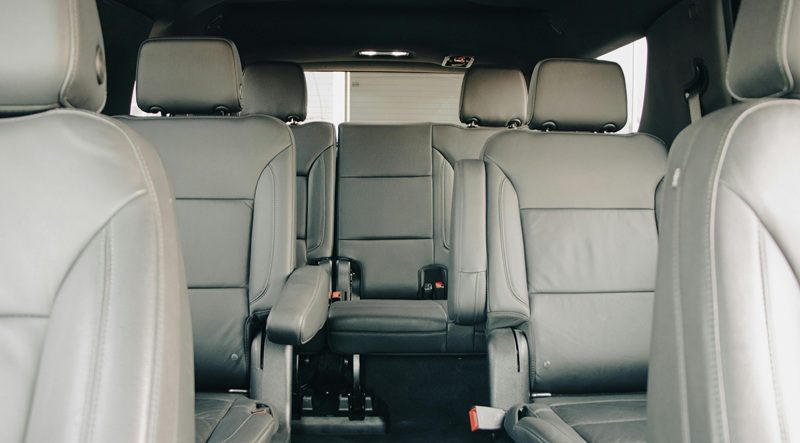
Space differs between these types. MPVs and SUVs have some boot room, but only a little when every seat is filled. Minibuses keep more storage room even when full, making them a better pick for carrying bags, sports kit, and other daily needs. It is a good idea to check the space and comfort of any large family vehicle before making a choice.
When looking at costs, it is easy to see patterns. Minibuses cost more at first, but they may retain their value better than some other large vehicles. While large vehicles tend to use more fuel, newer models, including hybrids, offer better efficiency. There are also schemes that help with the price of low-emission models. Families wanting eco-friendly transport may find these options helpful.
Extra features matter as well. Sliding doors, in particular, make it easier to load and unload children in small parking spots. Some minibuses also come with lowered floors or ramps, which are useful for those with pushchairs, older relatives, or anyone with mobility needs. There are organisations that offer advice on finding accessible transport for families.
Before taking on extra finance, it is worth looking at assets you no longer use. Many families own items that once suited their lifestyle but now sit unused for much of the year. If camping holidays have become less frequent or your travel habits have changed, choosing to sell your caravan could provide extra funds towards a vehicle that better suits your family’s current needs. Selling an underused caravan can also reduce ongoing costs such as storage, insurance and maintenance, making the move to a larger family vehicle more affordable.
Family Minibus Practicalities
Reducing the number of cars during the school run can help improve air quality and reduce congestion, as short unnecessary school journeys add significantly to local pollution. With a minibus, one driver may take as many as nine children to school on a typical weekday. For example, some families in suburban areas have swapped two regular cars for one minibus. Carpooling groups can use a minibus to replace several cars for school runs, providing a straightforward way to lower emissions and daily hassle.
It’s important to understand licence rules before buying a minibus. In the UK, a standard category B licence lets drivers operate a minibus with up to 8 passenger seats, while a 17-seater usually requires a D1 licence and meeting a few additional conditions listed in the government’s guidance on driving a minibus. Getting this often means taking an extra Driving and Vehicle Standards Agency test.
Insurance is another key step. Family minibus policies are different from regular car or commercial insurance. The cost is generally higher than insuring one car, but often similar to what it takes to insure two or three family vehicles. Insurers sometimes offer specific cover for private family use. Further details about these policies are available from insurance providers.
Parking must be planned ahead. Minibuses need more space, so some public car parks with height barriers are off limits. At home, off-street parking works best because residential streets are tight. Guidance is available on which car parks are suited for larger vehicles like minibuses.
Maintenance usually takes more effort than for smaller family cars. Servicing a minibus can cost more due to the larger size. Diesel models may use more fuel, while newer hybrids use less. Families looking to compare long-term costs can find general advice on current vehicle upkeep.
School Run Logistics
As families look into practical matters around licensing and ownership, some seek creative ways to make daily routines easier. Neighbourhood carpool groups can help make transport easier when set up well. Families with bigger vehicles often become the main drivers. Using a set schedule where each family takes turns cuts the number of trips for everyone, sometimes reducing school journeys significantly in organised groups.
Carpool groups work best when everyone agrees on rules and uses shared online calendars or apps to manage pick-ups, drop-offs, and changes. Keeping up with messages is easier this way, especially if families live near each other or use the same schools.
In some parts of the UK, parent groups together lease or buy minibuses. These vehicles are not just for getting to school, but also help with team sports or community events. Shared vehicles can benefit families and local groups in various ways.
Apps have made it easier to organise transport. Carpooling apps let parents track where vehicles are, make changes to plans, and stay in touch with each other. This sort of tech helps when organising rides for children from different families. There are several reviews and guides to helpful apps for families organising lifts to and from school.
Beyond the School Run
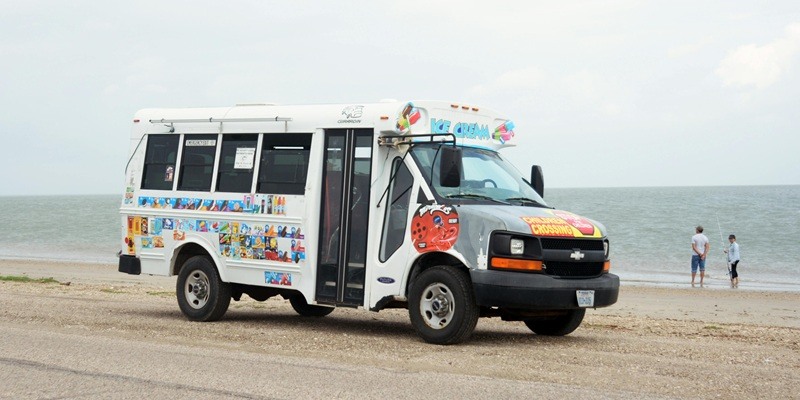
Moving from daily logistics to life outside the school gates, a bigger vehicle also helps families take part in weekend trips, sports, or visiting places together. Without transport getting in the way, families can try more group activities. The chance for children to bring friends or join team days out also helps their social life. Many families find activities are easier with flexible group transport.
Holidays feel different when the family can travel together in one vehicle. Going to see grandparents or travelling for family events turns into a shared part of the holiday rather than separate, long drives for each family. It helps make good memories along the way.
Many parents also use these vehicles to help their communities. They support local teams, youth groups, or even drive elderly people to events. This use builds a sense of connection and makes good use of the minibus all year round.
Families sometimes share out ownership costs with group hires in their community. For typical community groups, this type of sharing can help cover running costs and make sure the vehicle is useful to more people.
A minibus isn’t just a vehicle. It’s freedom to simplify your days, show up for others, and spend more time together. When families move together, life feels a little less rushed, and a lot more connected.