Feeding the Family Dog: A Practical Guide for Parents with Young Children
For many families, getting a dog is a wonderful experience for children. It teaches responsibility, empathy and routine. But alongside the fun of walks, games and cuddles comes an important responsibility: making sure your dog eats a healthy, balanced diet.
If you have young children in the house, it’s especially important to understand what dogs should and shouldn’t eat. Children often love sharing food with pets, but some everyday foods that are safe for people can actually be harmful to dogs.
In this guide, we’ll explore the best foods to feed your dog — and the ones your family should always avoid.
What SHOULD you feed your dog?
Most dogs benefit from eating high-quality, specialized dog food. While it’s possible to make your own dog food at home, it’s generally far easier and safer for busy families to buy good-quality branded options.
Not all dog foods are created equally, so it’s worth doing a little research before choosing a brand. Many vets recommend selecting foods labelled as “complete.” Only products that meet FEDIAF nutritional standards are allowed to use this term, which means they provide the full balance of nutrients your dog needs. As a general rule, the first ingredient on the label should be a type of meat or fish.
Your dog’s breed, size and age can also influence the best food choice. Larger, more energetic breeds often need different nutrition compared to smaller dogs. Age is another key factor. For example, foods designed for puppies contain nutrients that support healthy growth and development, while formulas for older dogs often include extra fibre for digestion and omega-3 to support joint health.
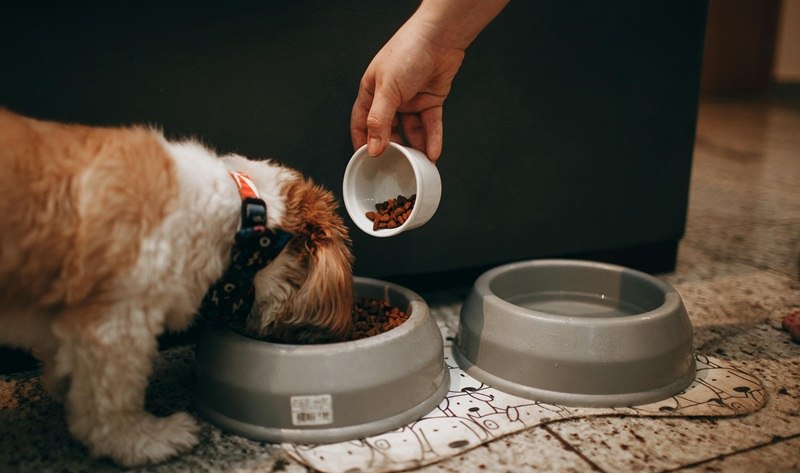
Dog owners often ask whether wet or dry food is better for dogs. In many cases, dogs actually benefit from a mix of both. A 50/50 combination of wet and dry food can provide a good balance of hydration, taste and dental support. Some families prefer to mix the two together in one bowl, while others serve them at different meals.
If you have children, you’ll know they often want to give the dog a “treat” from their own plate. While this should be limited, there are a few healthy human foods that are safe for dogs in small amounts:
- Cooked chicken, turkey or beef
- Cooked fish
- Carrots
- Broccoli
- Peanut butter (xylitol-free)
- Bananas
- Blueberries
- Plain yoghurt
These can be fun options for children to help prepare occasionally, such as adding a few blueberries to the dog’s bowl or offering carrot sticks as a healthy treat. Just remember that treats — even healthy ones — should only make up a small part of your dog’s diet.
And of course, always make sure your dog has access to fresh water. Dogs naturally drink when they’re thirsty, so simply topping up their water bowl daily is usually enough.
What SHOULDN’T you feed your dog?
When young children are around, it’s particularly important to teach them that some foods must never be shared with the dog.
Certain human foods are toxic to dogs and should be strictly avoided. These include:
- Grapes
- Raisins
- Chocolate (especially dark chocolate)
- Onion
- Garlic
- Chives
- Leek
Even small amounts can be harmful. If your dog accidentally eats any of these foods, it’s important to act quickly and contact an emergency vet near you as soon as possible. Prompt treatment can help prevent serious health problems such as kidney failure.
Some foods aren’t immediately toxic but can still cause issues for dogs. Dairy products, for example, often upset a dog’s stomach because many dogs are lactose intolerant. In more serious cases, fatty foods can contribute to pancreatitis.
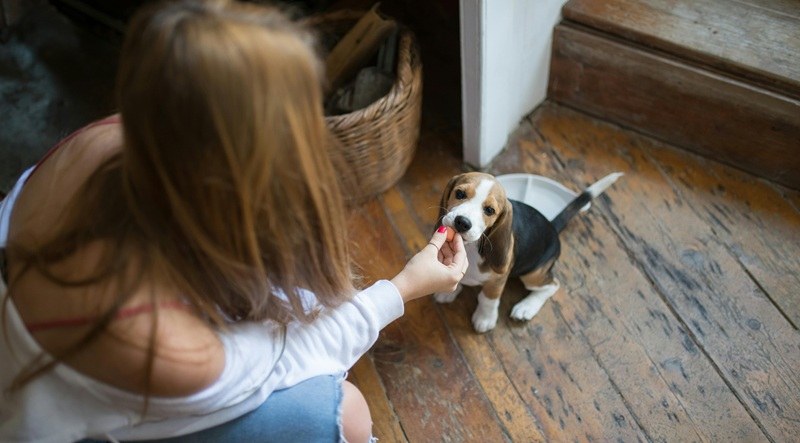
Children sometimes enjoy feeding dogs leftovers from meals, but fatty scraps like sausages, burger pieces or fried foods should be avoided. Just like with people, too much fatty food can lead to weight gain, diabetes and heart problems in dogs.
Teaching children healthy habits for pets
Having a dog can be a great way to teach children about caring for another living being. Simple habits like helping fill the water bowl, choosing healthy treats or learning which foods are unsafe can help kids understand the importance of responsible pet care.
It’s also important to avoid overfeeding your dog. Children may want to give the dog treats throughout the day, especially when they’re trying to show affection. However, too many treats can quickly add up.
To keep your dog healthy, follow feeding guidelines on your dog food packaging or speak to your vet about appropriate portion sizes. Keeping treats limited and meals consistent will help maintain a healthy weight and prevent long-term health problems.
With the right food and a little guidance for children, your family dog can enjoy a healthy diet and a happy life as part of the household.