
Moving to the U.S. as a Family: A Practical Guide to the Immigration Process
Moving to the U.S. as a family is an exciting prospect, offering a new chapter and fresh opportunities. But returning or relocating together means navigating a complex immigration system. For many, the main goal is simply to keep the family together during this move.
Fortunately, U.S. immigration law includes pathways designed to help eligible families remain together throughout the process. Knowing the key steps and requirements from the start can make the whole experience much smoother for everyone involved.
Understanding Your Family’s Eligibility
Family-based immigration to the U.S. relies on the relationship between a sponsor and the family members they want to bring over. A sponsoring family member, needs to be either a U.S. citizen or a Lawful Permanent Resident (Green Card holder). The relationship to the family member they’re sponsoring determines the visa category and how long the applicant has to wait. Spouses, unmarried children under 21, and parents of U.S. citizens are considered “immediate relatives” and usually have visas available right away. Other family relationships, like siblings or married children, fall into “family preference” categories, which often involve a waiting period before a visa number becomes available.

It’s important to determine which category your family fits into, as this will guide the entire process.
Exploring Your Immigration Options
For families living abroad, the usual route is Consular Processing. This involves the U.S. sponsor filing a petition, waiting for it to be approved, and then having the family members attend a visa interview at a U.S. embassy or consulate in their home country. However, in specific, unusual situations, some families might qualify for direct consular filing, which can significantly cut down on processing time. This option is only available in limited circumstances and is usually reserved for urgent needs, but it’s worth looking into if your circumstances are unique. Understanding these different paths helps you set realistic expectations for how long things will take and what steps are involved.
Gathering Your Essential Documents
A well-organised application is a strong application. You’ll need to gather a lot of paperwork to prove both your identity and your family relationships. Being prepared can prevent long delays.

While the exact list can change depending on your situation, most families will need to collect these items:
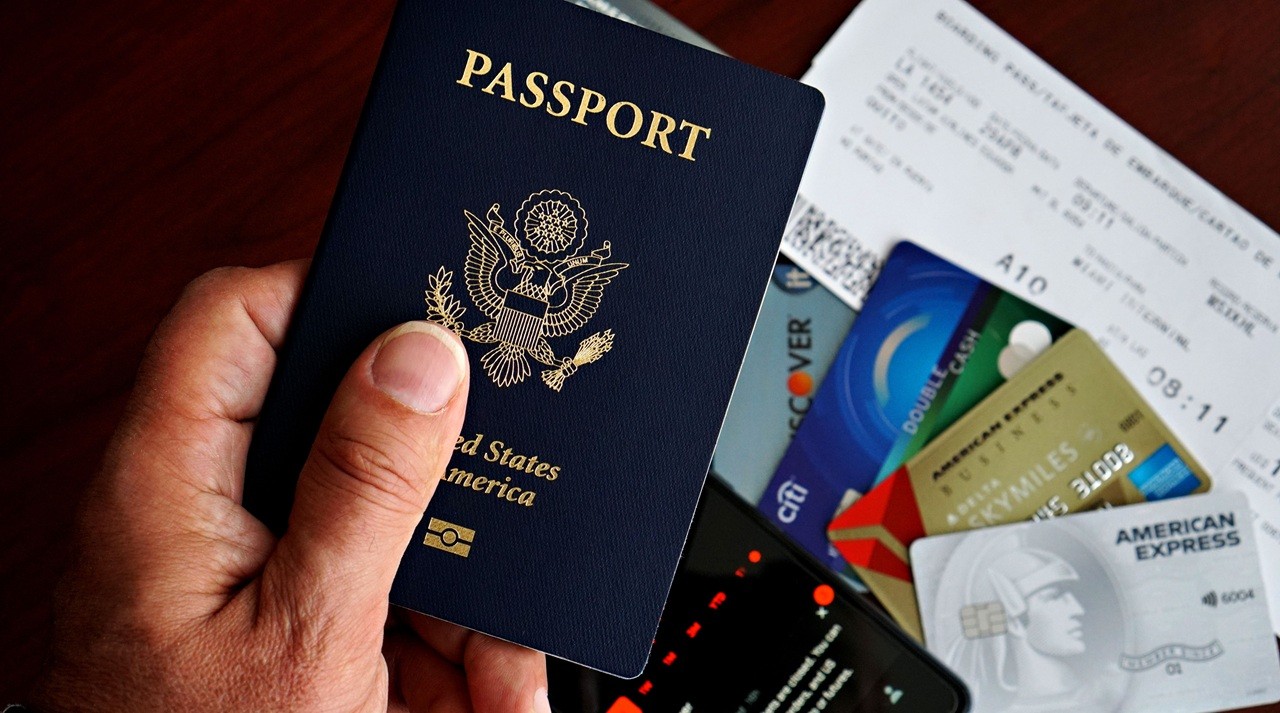
- Passports for every family member, valid for at least six months beyond your planned entry date.
- Original birth certificates for all applicants.
- A marriage certificate if you are sponsoring a spouse.
- Proof of the sponsor’s status (like a U.S. birth certificate, passport, or Green Card).
- Financial documents from the sponsor to show they can support the family (Affidavit of Support).
- Evidence of your relationship, such as photos together over the years, joint bank accounts, or correspondence.
Arriving and Clearing Customs Together
After your visas are approved, the final step is travelling to the United States. When you arrive at a port of entry, your family will go through Customs and Border Protection (CBP) inspection. An officer will check your documents and ask a few questions before officially letting you into the country. To make this process smoother for families travelling together, CBP has expanded the use of mobile apps for completing paperwork. For example, families can now submit joint customs declarations electronically before they even land, which helps speed things up at the airport. Having all your visa packets and passports easily accessible will ensure this final check goes smoothly.
With careful planning and a clear understanding of the process, your family can successfully manage the journey of moving to the U.S. together and start your new life.