
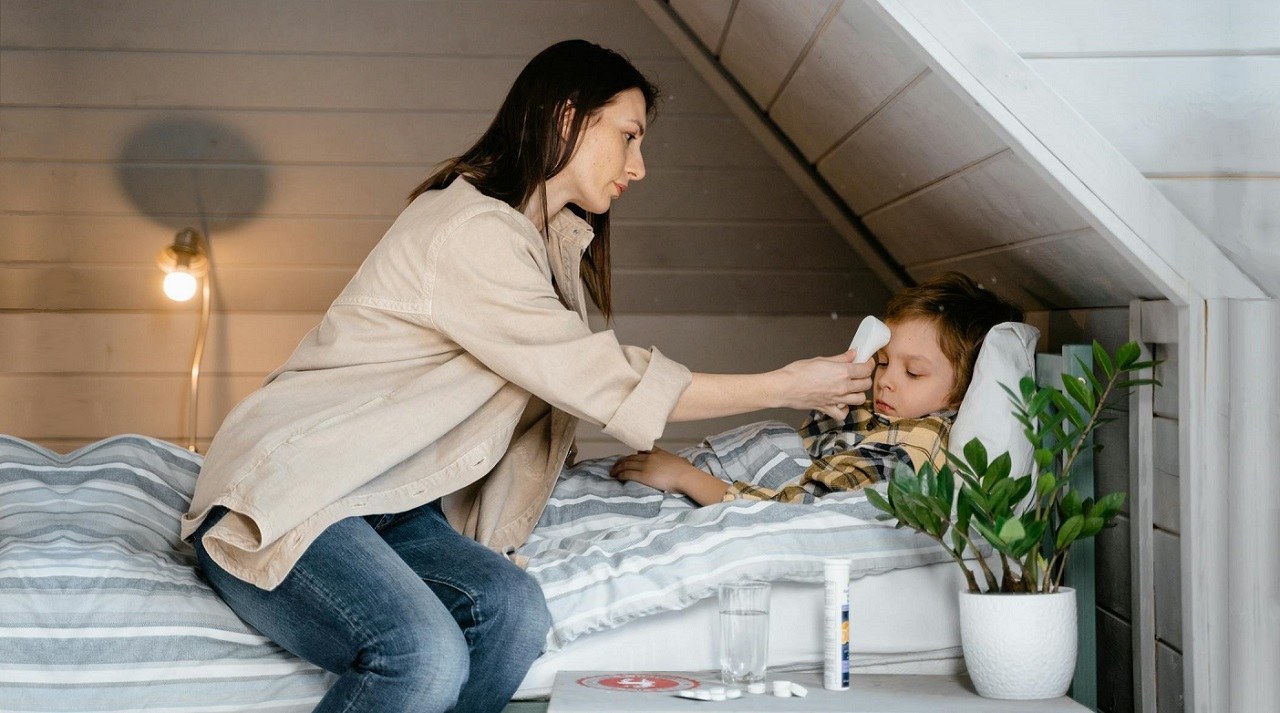
Managing Your Child’s Medication Safely at Home
When your child needs medication, keeping track of doses, timings and storage can quickly become another thing to juggle. Whether it’s a short course of antibiotics or regular medication, a few simple habits can make the whole process easier and help you feel more confident that everything is being given safely.
Creating a Simple and Safe Storage System
Where you store medicines matters. Keep them in a cool, dry place, ideally in a high cupboard that children cannot reach, or in a lockable box. A kitchen cupboard can work well, provided it is away from sources of heat and steam such as the oven or kettle.
The bathroom cabinet is best avoided, as heat and humidity can affect some medicines.
Keeping your family’s medicines together in one designated place also makes them easier to find when you need them. Leave medicines in their original packaging so that dosage instructions and expiry dates are always to hand. It’s worth checking expiry dates every six months and removing anything that is no longer suitable for use.
Making Sure You Never Miss a Dose
When a medicine needs to be given several times a day, it can be surprisingly easy to lose track of whether a dose has been given. Phone alarms are a straightforward way to stay on schedule, particularly if you label each one with your child’s name and the medicine.
Collecting prescriptions can also be difficult to fit around work, school runs and other commitments. A local prescription delivery service can be useful if getting to the pharmacy is difficult, and means you can have the medication delivered directly to your home.
Understanding Dosages and Instructions
Before giving a prescription medicine, check the label carefully to make sure it is intended for your child and that you understand the dose, how often it should be given and how long the treatment should continue.
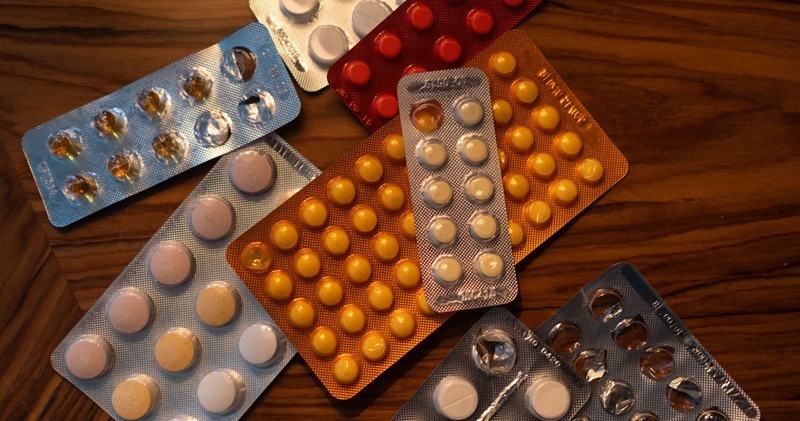
Follow the instructions on the label rather than making assumptions about timings. For example, if you are unsure what “three times a day” means for a particular medicine, ask your pharmacist or GP rather than trying to work out the schedule yourself. The same applies to instructions such as taking medicine with food.
Use the oral syringe, measuring spoon or other dosing device supplied with the medicine. Kitchen teaspoons are not standardised and can result in an inaccurate dose. Guidance on administering medicines safely also highlights the importance of using an appropriate measuring device. If you lose the one supplied with the medicine, ask your pharmacist for a replacement.
Watching for Side Effects and Reactions
Check the patient information leaflet for possible side effects before your child starts a new medicine, so you know what to expect and what might need further attention.
Some side effects are relatively mild, but serious reactions can occur with some medicines. Seek immediate medical attention if your child develops symptoms such as difficulty breathing, swelling of the face or lips, or a rapidly spreading rash.
If you are concerned about any reaction, or are unsure whether a symptom could be related to the medicine, speak to your pharmacist or GP. These medication safety tips offer further guidance on what parents should look out for.
What to Do with Old or Unused Medicines
Once your child has finished a course of treatment, check whether any medicine remains that you no longer need. Expired medicines should also be removed from your medicine storage area.
Do not put unwanted medicines in the household bin or flush them down the toilet. Instead, take unused or out-of-date medicines to your local pharmacy, where they can be disposed of safely.
Keeping on top of your child’s medication does not have to be complicated. Storing medicines safely, keeping track of doses and knowing when to ask for advice can make the process more manageable. For more practical advice on everyday family health, see our busy parent’s guide to a healthier family.