

Raising a Safe Driver: Why Good Habits Start Early
Your child might be years away from learning to drive, but the foundations of safe driving start much earlier. From the way you behave behind the wheel to how you talk about road safety, children are constantly picking up messages about what it means to be a responsible road user.
By the time they reach their teenage years and start talking about learning to drive, they will already have spent years watching you drive. The moment they move from passenger to pilot is a big step, bringing excitement about their new freedom alongside a healthy dose of parental anxiety. Your role changes from chauffeur to co-pilot and mentor, but the lessons you have been teaching them all along still matter.
Helping your child become not just a licensed driver, but a safe and confident one, starts long before they get behind the wheel.
Setting the Right Example
Children learn a great deal from what we do, not just what we tell them. Whether your child is five or fifteen, they are watching how you behave when you are driving.
If you routinely speed, use your phone, tailgate or become frustrated with other road users, they may come to see this as normal driving behaviour. On the other hand, consistently demonstrating patience, awareness and respect for the rules helps establish good habits from an early age.
Research and driving educators highlight the key role parents play in shaping young people’s driving behaviour. Even before your child is old enough to think about driving themselves, your everyday behaviour is providing a model for what they will eventually consider normal behind the wheel.
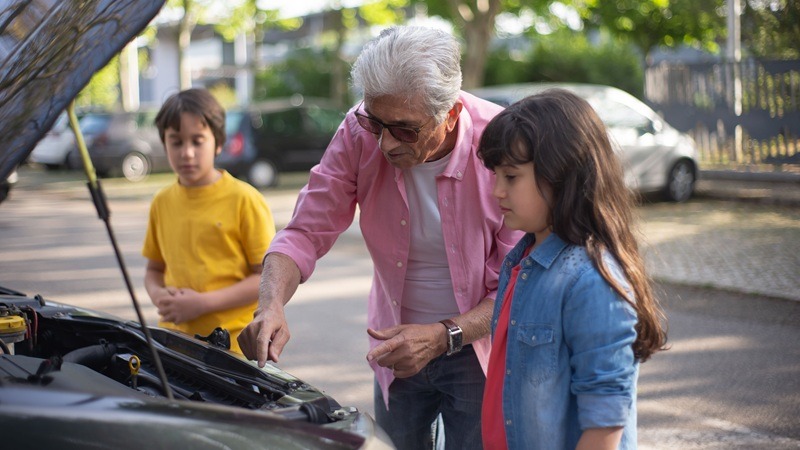
You can also use journeys as opportunities to talk about what you are doing. Explain why you are leaving a bigger gap in wet weather, slowing down near a junction or checking carefully for pedestrians and cyclists. These small conversations help children understand that safe driving is about making decisions and anticipating what might happen, rather than simply following a set of rules.
Most importantly, let them see you handle frustrating situations calmly. If another driver cuts you up, for example, try to demonstrate patience rather than anger. Your child may not remember the conversation you had about safe driving years later, but they are likely to remember the behaviour they saw repeatedly.
Building Good Road Habits from an Early Age
Safe driving is only one part of being a safe road user. Long before your child gets behind the wheel, you can help them develop awareness of what is happening around them.
When you are walking, cycling or travelling in the car together, talk about road signs, junctions, parked cars and visibility. Ask questions such as, “Can you see why I’m slowing down here?” or “Where would be a safe place to cross?” As they get older, encourage them to think about what other road users might do next.

Simple habits matter too. Seatbelts should be non-negotiable, even on very short journeys, and children should understand why. Make putting away phones and other distractions part of your own driving routine. If they grow up seeing that a driver needs to concentrate fully on the road, this is more likely to feel like common sense when they eventually take the wheel themselves.
These everyday lessons may seem a long way removed from learning to drive, but they are helping to develop the awareness and judgement that a new driver needs.
When the Time Comes: Choosing the Right Instructor
Eventually, of course, the time will come when your child is ready to learn to drive. For many parents, watching their teenager take their first lessons can be both exciting and nerve-racking.
Your role as a practice partner is invaluable, but professional instruction is still essential. An Approved Driving Instructor (ADI) can provide structured lessons covering the skills and knowledge needed to pass the driving test and, more importantly, develop safe driving habits. Look for an instructor who comes recommended, communicates well and has a calm approach that puts your teenager at ease.
You will also need to think about insurance if your child is going to practise in a family car. Adding a young driver to an existing policy is one option, but it is worth comparing the available cover and checking exactly what is included. Specialist learner and young-driver policies are another option. Providers such as Marmalade offer young driver’s insurance and explain some of the different types of cover available, including insurance for learners practising in a parent’s car.
Always check the individual policy carefully and make sure your teenager is appropriately insured before they practise.
Making Practice Count
Once your teenager starts learning, regular practice between professional lessons can help build confidence and familiarity. However, practice should be structured rather than simply adding more time behind the wheel.
Follow the instructor’s guidance about what your teenager is ready to tackle. Initial practice might focus on basic control and moving off and stopping, before progressing to quieter roads, junctions, manoeuvres, busier roads and more challenging conditions.
Keep sessions manageable, particularly at the beginning. A tired or frustrated learner is unlikely to get the most from practice, so there is no need to turn every family journey into a driving lesson.
As confidence develops, gradually introduce different situations, such as driving in heavier traffic, navigating unfamiliar routes or dealing with different weather conditions. The aim is to build experience without pushing your teenager beyond what they can safely manage.
Managing Driving Anxiety – Yours and Theirs
It is completely normal for a new driver to feel nervous, and it is equally understandable for parents to feel anxious sitting beside them. After years of being in control, suddenly watching your child make decisions from the driver’s seat can be unsettling.
For a nervous teenager, anxiety can lead to hesitation, overthinking or a loss of confidence. For a nervous parent, it can result in sharp comments, grabbing at the controls or giving too many instructions at once – none of which creates a good learning environment.
There are many strategies for helping anxious teens learn. If your teenager is particularly nervous, break new challenges into smaller steps and acknowledge their progress. A smooth gear change, a well-judged turn or successfully navigating a busy junction may seem small, but these achievements build confidence.
It is also important to keep your own reactions under control. Agree on a simple way for your teenager to tell you if they are becoming overwhelmed and need to stop somewhere safe. Keep instructions clear and concise while the car is moving, and save more detailed feedback for when you have stopped.
Establishing Clear Rules and Boundaries

Passing the driving test is not the end of the learning process. In many ways, it is the beginning.
Once your teenager starts driving independently, they will have the freedom to make their own decisions without you sitting beside them. It is therefore worth agreeing on some clear family rules before they start driving alone.
This doesn’t have to be about control. It is about recognising that a newly qualified driver has limited experience and may need boundaries while they build confidence and judgement.
Depending on your family’s circumstances, you might agree rules around:
- Passengers: Consider whether you want to limit how many friends your teenager can carry, particularly during the early months of solo driving.
- Night-time driving: You may decide to set boundaries around late-night journeys while they are gaining experience.
- Mobile phones: Make it a firm family rule that phones are never used while driving. Keeping the phone on silent and out of reach can remove the temptation.
- Costs and responsibility: Agree who will pay for fuel, insurance, servicing and other running costs. Taking some financial responsibility can help young drivers understand that owning and running a car comes with responsibilities as well as freedom.
These conversations are worth having before the first solo journey rather than after something goes wrong. Resources such as 7 ways to help keep them safe offer further ideas for parents, including setting clear rules and discussing them with young drivers.
Keep Talking After They Pass
It is tempting to think that once your teenager has passed their test, your job is done. In reality, they will still have a great deal to learn.
Continue talking about driving without turning every conversation into a lecture. Ask how they found a particular journey, discuss difficult situations they have encountered and encourage them to think about how they could deal with similar situations in future.
It’s also a good time to encourage responsibility for the car itself. Checking tyre pressures, oil levels, lights and other basic maintenance is part of being a responsible driver. You can find practical advice on car maintenance and keeping your vehicle in good condition.
As their experience grows, you can gradually move from instructor to trusted adviser. The aim is for your teenager to feel able to come to you with questions or concerns rather than feeling they have to deal with everything alone.
The Lessons Start Long Before the Driving Test

For parents of younger children, learning to drive may seem a long way off. But you don’t have to wait until your child turns 17 to start thinking about the kind of driver they will become.
Every journey is an opportunity to model good behaviour, explain your decisions and reinforce the importance of patience, concentration and respect for other road users. As they grow, you can gradually give them more responsibility and help them develop the awareness and judgement they will eventually need behind the wheel.
Then, when the day finally comes for your teenager to move from passenger to driver, you will not be starting from scratch. They will already have years of experience watching, listening and learning from you.
The driving lessons may begin at 17, but the foundations of being a safe driver start much earlier.