
Beyond the Walls: Expanding Family Living into the Garden
Family homes seem to shrink slowly. First there is a baby bouncer in the corner. Then toys spread into the living room, school bags sit by the door and someone’s bike ends up leaning against a wall because nobody knows where else to put it.
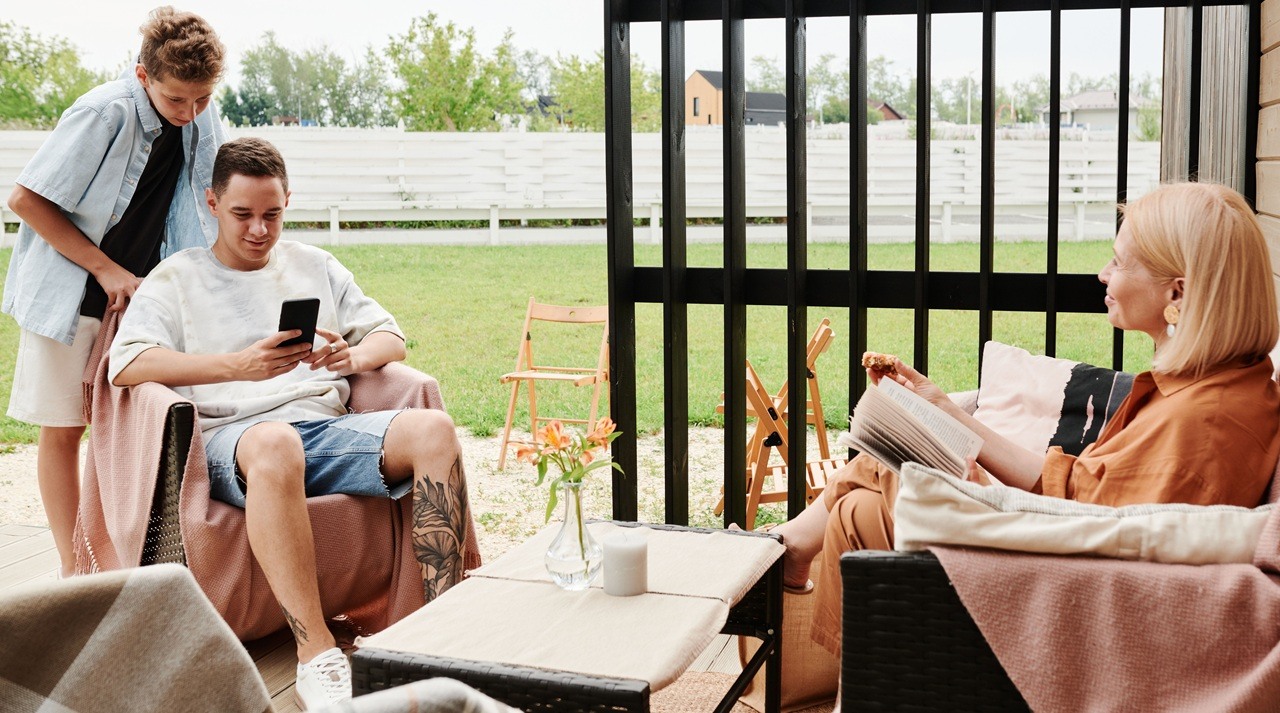
Moving is not always realistic. An extension is not exactly simple either. Some families start looking at the garden differently, not as a perfect outdoor room, more as a bit of extra breathing space for snacks after school, weekend lunches, homework on warm days and a cup of tea when the kitchen gets too loud.
Why the Garden Starts to Matter More
A garden does not need to be huge to help. A small patio near the back door still takes pressure off the house when it has a job, with a table, a dry corner for outdoor toys and a chair where a parent can sit while children play close enough to be seen.
The weather is usually the thing that spoils the plan. One afternoon feels easy outside. The next day, the chairs are damp, the grass is wet and nobody wants to carry lunch out there. So the garden gets used in quick bursts, then left alone until another dry weekend appears.
A covered area changes that a bit. It does not make the garden into another room. It gives one part of it a clearer purpose. The table stays put. The chairs make sense. Children know where to sit with a snack instead of drifting back inside with muddy socks. For families who want that covered corner to feel more permanent, Chimes Home and Garden offers aluminium and metal pergola options for garden seating, shade and everyday outdoor use.
What a Pergola Changes for Families
Parents are not usually trying to build a show garden. They want a place that works on an ordinary afternoon. Somewhere for juice cups, colouring books, sun cream, toy cars and a parent who wants to sit down for five minutes without carrying everything back inside.
A pergola gives one part of the garden a job. The rest can stay open for bikes, chalk, footballs and whatever else ends up outside by 3pm, but the table area starts to feel less temporary. It has a reason to stay there.
An aluminium pergola suits busy households because it usually needs less regular care than timber. No yearly sanding. No repainting when the frame starts to look tired. That matters when weekends already disappear into clubs, laundry, food shopping and someone asking where their other trainer went.
Still, the frame is only part of the decision. An aluminium pergola has to sit in the right place. If chairs cannot move back properly, or the children lose the only clear play area, the garden will not feel easier to use. It will feel packed. Different problem.
How to Pick the Right Spot
Start with the place everyone already drifts towards. Usually that means near the back door, close to the kitchen and not too far from where the children play. Carrying plates outside should feel simple, not as if everyone is setting up camp.
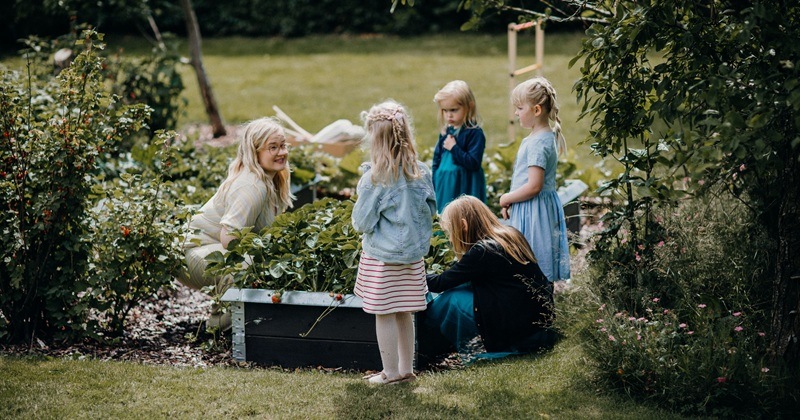
The prettiest corner is not always the one that gets used. A pergola at the far end of the garden might look good on a quiet Saturday, then sit empty most school nights because nobody wants to carry food, cushions and children’s bits all the way down there.
Watch the garden for a few days before deciding. The useful clues are already there. Where does the afternoon sun land hardest? Which patch stays damp after rain? Where do the children naturally play? Where can an adult sit without losing sight of younger ones?
Too close to a busy doorway, and the pergola may get in the way. Too far from the house, and it may feel separate from daily life. The right spot is usually the one that makes going outside feel easy.
In a small garden, a corner often leaves the middle free for play. In a longer garden, a spot closer to the house may work better for quick meals, after-school snacks and weekday breaks.
How to Plan for Some Shade
Children do not always stop when they need shade, which is why a bit of sun safety belongs in the garden plan, especially on afternoons when they keep running, building, arguing over bubbles or asking for another ice lolly.
A metal pergola with adjustable slats gives the family a bit more control during the day. Open when the garden feels cool. Partly closed when the sun gets stronger. Weather still does what weather does, but the space becomes less dependent on perfect conditions.
It also makes eating outside less annoying. Nobody wants to move chairs three times during lunch because the sun keeps landing in someone’s eyes. A shaded table gives the garden a base, and most family gardens need one.
What to Check Before Buying
Measure before falling in love with a design. Then measure the furniture too. Chairs need room to pull out. Children need space to move around the table. A scooter, toy box or pram can turn a neat plan into a tight one fast.
Height needs a proper look as well. The structure should feel open above the seating area, not heavy or boxed in. In a small garden, a frame that is too large can make the space feel crowded. In a wider garden, one that is too small may not give enough useful cover.
Check local rules before ordering, especially if the home is listed, close to a boundary or in a conservation area. Many garden structures are simple enough, but every property is not the same. Better to check early than fix a problem later.
Drainage deserves a look too. Rain needs somewhere sensible to go. If water runs onto the main walkway or pools near the back door, the covered area may create another job instead of solving one.
How to Keep Your Garden Family Friendly
The best outdoor family areas are not too precious. If every cushion has to be rescued before anyone sits down, the space becomes work. Choose furniture that handles real use. A table that wipes clean. Chairs that do not wobble on uneven paving. Storage that holds toys, blankets and garden bits at the end of the day.
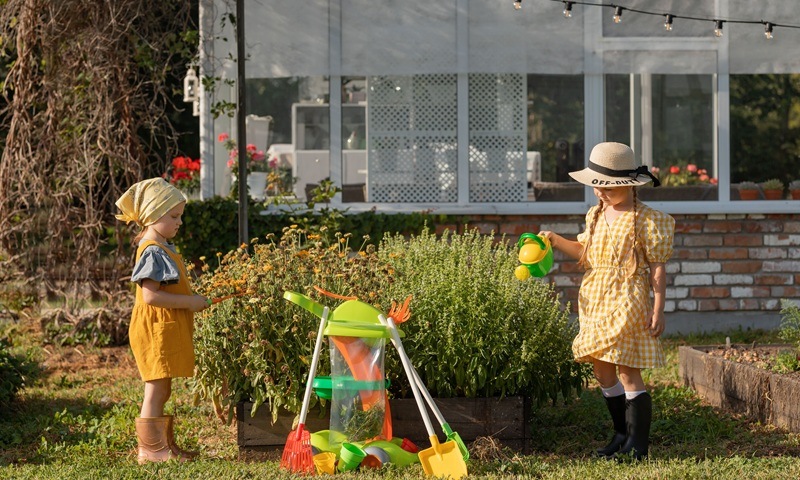
Lighting helps when the garden gets used after school or on darker evenings. It does not need to look dramatic. A soft light near the table is often enough to make the space feel less forgotten once summer starts fading.
Privacy may matter too. Many family gardens sit close to neighbours, and family life is not always quiet. Planters, side screens or climbing plants soften the edges without closing the space in.
Leave one part flexible. Today it might hold homework. Tomorrow it is a snack table. At the weekend, it has board games, muddy wellies and half a packet of wipes on it. That is fine. Family spaces work better when they can change.
How To Make Upkeep Realistic
Parents do not need another thing demanding attention every weekend. Material choice matters here. Aluminium usually needs less upkeep than wood, which helps when Saturdays already disappear into clubs, laundry and food shopping.
A quick wash now and then keeps the frame looking cleaner. Drainage channels need checking for leaves, especially after rougher weather. Nothing too dramatic. Enough to stop small irritations building up.
Accessories need the same test. Screens, lights and side panels can make the space more useful, but only if the family will actually use them. Too many extras can turn a simple garden update into another thing to manage.
When The Garden Feels Like Part Of The Home
More space does not always mean more walls. Sometimes it means giving the space already there a clearer role, with a shaded table, a dry corner and somewhere children can play nearby while adults sit down for five minutes.
A pergola will not solve every space problem in a busy home. Toys will still travel. The kitchen will still get crowded. Someone will still leave shoes where they should not be. But the garden can start doing more than waiting for perfect weather.
For families who are not ready to move and do not want months of building work indoors, that small shift can matter. The house stays the same size, but daily life gets another place to land.