
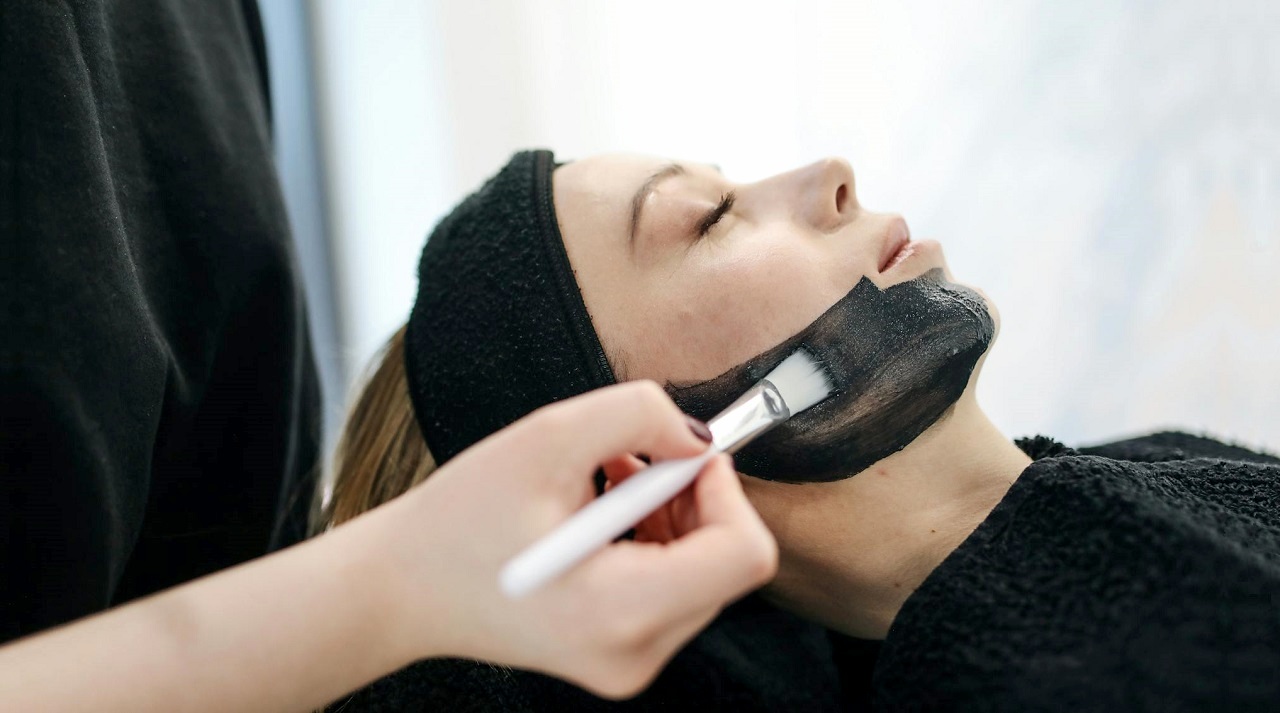
Understanding the Different Types of Chemical Peels: Your Complete Guide
A chemical peel uses specific acids to gently remove dead skin cells and stimulate new cell growth. When applied to the skin, these acids dissolve the outer layer, revealing smoother, brighter skin underneath. This process also boosts collagen production and cell turnover, helping your complexion look fresher and more youthful.
Depending on your skin concerns, peels can be light, medium, or deep. Each works at different depths to address specific issues like pigmentation, fine lines, or sun damage.
Types of Chemical Peels
Light (Superficial) Peels
Perfect for first-timers, light peels use gentle acids such as glycolic or lactic acid to refresh the surface layer.
Benefits include:
- Brightening dull skin
- Minimising pores
- Smoothing rough texture
These quick, no-downtime treatments are great before events or as monthly maintenance.
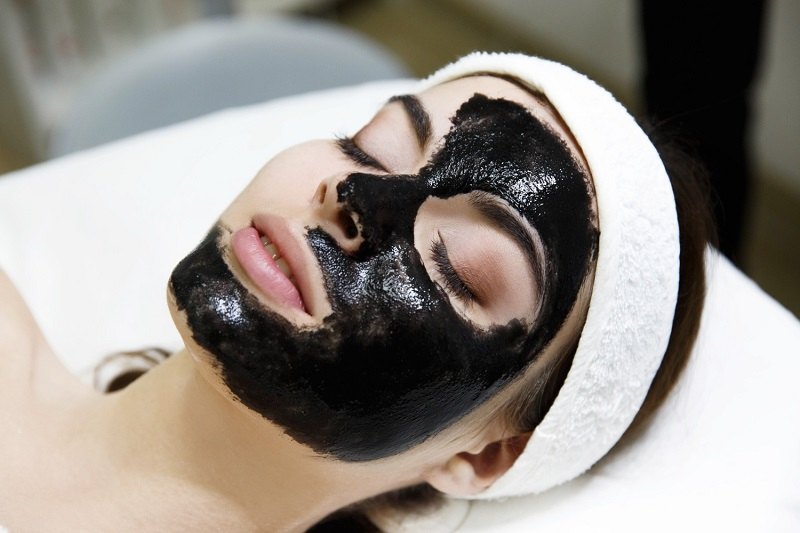
- • Glycolic Acid Peel
- Derived from sugarcane, glycolic acid penetrates deeply to exfoliate, smooth fine lines, and even out tone. It’s ideal for boosting collagen and giving tired skin a healthy glow.
- • Salicylic Acid Peel
- Best for oily and acne-prone skin, salicylic acid unclogs pores, reduces breakouts, and calms inflammation. It’s also effective for fading acne scars over time.
- • TCA Peel
- A favourite among professionals, TCA peels can be customised for pigmentation, acne scars, and deeper wrinkles. They deliver significant texture and tone improvement with predictable results.
- • Lactic Acid Peel
- Gentle and hydrating, lactic acid peels suit sensitive or dry skin. They improve brightness and help fade pigmentation while maintaining moisture balance.
- Glycolic or Lactic Peels: Gently lift superficial pigmentation.
- TCA Peels: Target deeper pigment and sun damage.
- Combination Peels: Blend multiple acids with brightening agents for enhanced results.
- Light Peels: $100–$200 per session
- Medium Peels (TCA): $300–$800 per treatment
- Deep Peels: $1,500–$4,000
- Type and depth of peel
- Practitioner qualifications
- Clinic reputation and product quality
- Additional skincare and follow-up treatments
- Acne and acne scarring
- Sun damage and pigmentation
- Fine lines and uneven texture
- Dull or tired-looking skin
- Avoid sun exposure and tanning
- Pause active ingredients like retinoids
- Use recommended pre-peel skincare to prep the skin
- Avoid touching or peeling flaking skin
- Keep the skin hydrated with gentle moisturisers
- Use SPF 50+ sunscreen daily
- Stay out of direct sunlight for at least a week
- Follow aftercare strictly
- Avoid sun exposure
- Choose experienced professionals
- Inform your clinician about any medications or conditions
- Immediate post-peel glow within a week
- Reduced pigmentation and fine lines
- Smoother, firmer skin
- Ongoing collagen stimulation for months
- Light Peels: Every 3–4 weeks
- Medium Peels: Every 3–6 months
- Deep Peels: Once or twice in a lifetime
- Qualified dermal clinicians or cosmetic nurses
- Proven experience with before-and-after results
- Clean, professional environment
- Transparent pricing and aftercare support
Medium Peels
TCA (Trichloroacetic Acid) peels reach deeper layers to target stubborn pigmentation, acne scars, and moderate wrinkles. Expect mild peeling for a few days, revealing noticeably smoother and clearer skin. Most clients book these every few months for lasting results.
Deep Peels
For dramatic rejuvenation, deep peels penetrate the dermal layer to treat severe sun damage and deep wrinkles. Results can be transformative, though recovery time is longer. These are performed under medical supervision and are often a once-in-a-lifetime treatment.
Popular Face Peels and Their Benefits
Chemical Peels for Pigmentation
Understanding Pigmentation
Pigmentation issues like sun spots, melasma, or post-acne marks occur when melanin builds up unevenly in the skin. The right Chemical Peel Hawthorn treatment can safely and effectively lighten these areas.
Best Peels for Pigmentation
Consistent sessions spaced a few weeks apart provide the best long-term improvement. Sun protection after treatment is essential to maintain results.
Specialised Peel Treatments
Chemical Peel for Hands
Your hands often reveal signs of ageing first. Hand peels using mild acids like glycolic or TCA can fade sun spots, improve tone, and smooth roughness, restoring a youthful look.
Skin Peel Facial Experience
During your skin peel facial in Hawthorn, your clinician will assess your skin, apply the chosen peel, and monitor your comfort. The process usually takes 30 minutes, with tingling or mild stinging that fades quickly. You’ll leave with a soothing balm and detailed aftercare instructions.
Cosmetic vs Medical-Grade Peels
Cosmetic Peels
Available in spas or beauty salons, cosmetic peels use lower acid concentrations — perfect for routine maintenance and enhancing glow with minimal downtime.
Medical-Grade Peels
Performed by dermatologists or qualified professionals, these stronger peels target deeper issues like acne scars, wrinkles, and pigmentation. They offer more dramatic, longer-lasting results under professional care.
Chemical Peel Cost in Hawthorn
Average Prices
Prices vary depending on location, practitioner expertise, and aftercare inclusions. Clinics in Hawthorn often offer tailored packages for multiple sessions at a reduced rate.
Factors Affecting Cost
Who Can Benefit from a Chemical Peel
Most skin types can benefit from Chemical Peel Hawthorn treatments, especially those struggling with:
Darker skin tones may require gentler peels (like lactic or mandelic acid) to avoid post-inflammatory pigmentation. A professional consultation helps tailor the safest, most effective option.
Before and After Your Peel
Pre-Treatment Preparation
Before your session:
During Treatment
Your skin is cleansed and prepped before the peel is applied. Mild tingling is normal, and the peel may be layered depending on your goals. The entire process takes about 20–30 minutes.
Aftercare Tips
Healing takes around 5–7 days for light to medium peels. Once complete, you’ll notice softer, brighter, and more even-toned skin.
Potential Side Effects
Mild redness, flaking, or temporary sensitivity is normal.
To minimise risk:
Avoid peels during pregnancy, breastfeeding, or while on acne medications like isotretinoin.
Chemical Peel Results: What to Expect
Visible Improvements
Treatment Frequency
Regular maintenance helps preserve long-term radiance and skin health.
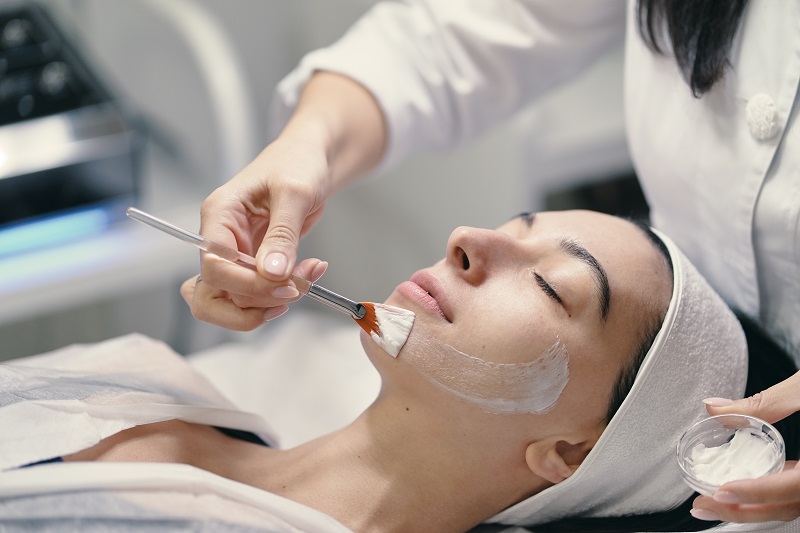
Choosing the Right Chemical Peel Clinic in Hawthorn
When selecting a provider for a Chemical Peel in Hawthorn, look for:
Ask questions about their training, treatment process, and safety protocols. A trustworthy clinic will prioritise your comfort and tailor the peel to your skin’s unique needs.
Achieve Your Best Skin Yet
A Chemical Peel Hawthorn is more than a beauty treatment — it’s a scientifically proven way to rejuvenate your skin and restore a youthful glow. Whether you’re battling acne, pigmentation, or simply want a refreshed complexion, chemical peels offer a powerful path to smoother, clearer, and healthier-looking skin.
Book a consultation with your local Hawthorn skincare expert today and take the first step towards radiant confidence.