
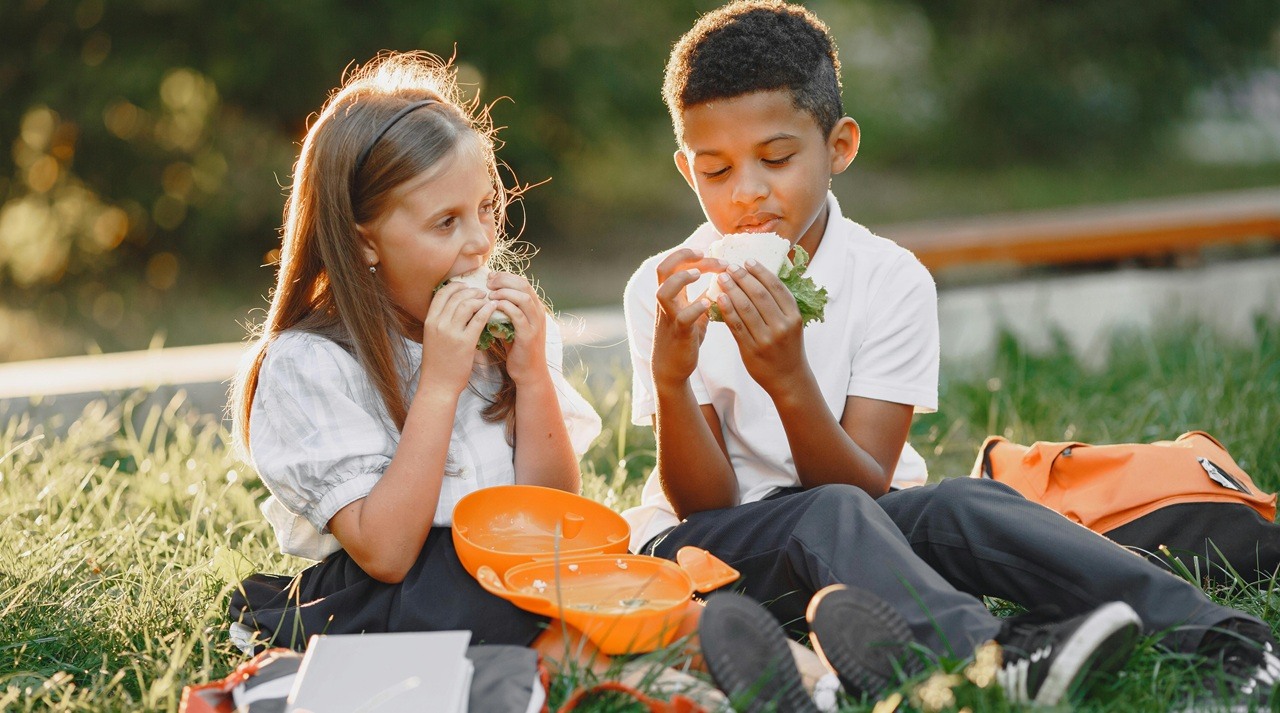
Trying New Foods: A Parent’s Guide for Fussy Eaters
If you’re a parent, you’ll know exactly how ‘fussy’ children can be when it comes to trying new foods. Even if something is perfectly cooked, seasoned and roasted to perfection, your child might still pull a face and push their plate away.
While that can feel a little discouraging (both as the cook and the caring parent you are), it’s actually a very normal part of childhood. However, when you start to notice your child seems quite restrictive with their diet, no matter how many different foods you offer, you can actually start to worry.
That’s when it becomes especially important to focus on helping your children feel more comfortable around new foods and different food choices. If you’re not quite sure where to start, here are a few simple tips that can help.
Offer New Foods Regularly
If you want to keep your children interested in trying out new foods, you can’t let new foods become a novelty. New foods should be something your family encounters regularly — perhaps once a week or a few times each month, depending on what works for you. If new foods only appear occasionally, it may feel like a special event and create unnecessary pressure. Regular exposure helps children see unfamiliar foods as a normal part of everyday eating.
Keep Portions Bite-Sized
When introducing a new food, it’s best to start small and keep things simple. For example, if your child isn’t keen on mushrooms, serving a large mushroom-based dish may feel overwhelming. Instead, try adding one or two small slices of button mushroom alongside vegetables they already recognise and enjoy. A small portion feels much more manageable and less intimidating.
Include New Foods in Everyday Meals
This is another effective way to stop new foods feeling like a big deal. Rather than setting aside special nights dedicated to trying unfamiliar foods, include new ingredients naturally within your usual family meals. This gives children regular opportunities to explore different foods without feeling as though they’re being put under pressure or expected to eat something completely different.
Don’t Make Them Feel They Have to Eat It
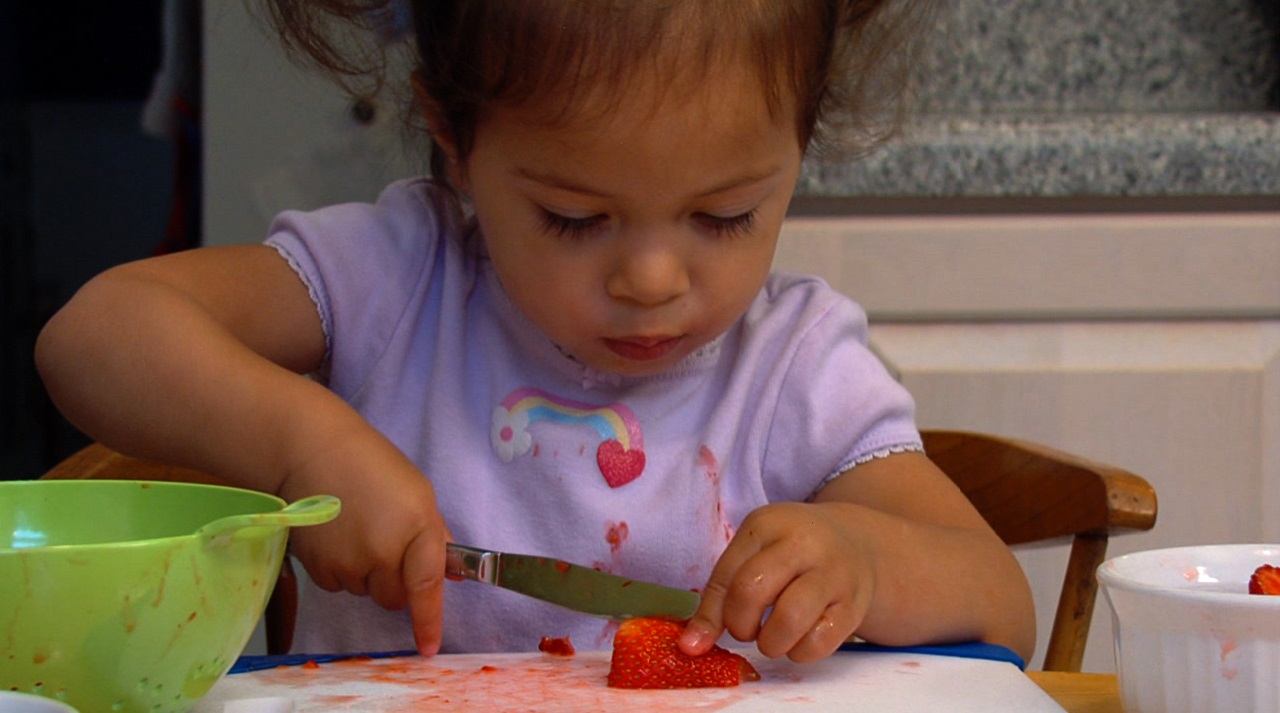
You can offer new food, but you can’t force a child to enjoy it. Provide the opportunity, keep portions small, and let your child decide whether they want to take a bite. When children feel they have some control over what they eat, they’re often more willing to try something new. It feels less like a task they have to complete and more like a choice they’re free to make.
Let Them See You Enjoying Different Foods
Children learn a huge amount by watching the adults around them, and this can work in your favour when encouraging them to broaden their diet. When they see you enjoying a variety of foods, they’re more likely to view those foods positively themselves. In some cases, they may even become curious enough to ask for a taste. Even if they don’t, you can gently encourage them.
Ask If They’d Like to Try What You’re Eating
Sometimes, simply asking is enough. Perhaps you’re enjoying a bag of high protein crisps and want to encourage your child to explore different snack options. Casually ask whether they’d like to try one. You can offer them a smaller crisp if that feels less daunting, or let them choose one from the bag themselves.
If They Say No, Ask Again Another Time
There’s every chance they’ll turn down the offer, and that’s perfectly fine. For the moment, keep things relaxed. If they say no, simply accept their answer and continue enjoying your snack.
Then, the next time you’re eating the same food and they’re nearby, ask again. Familiarity often helps children become more comfortable over time.
Let Your Children Build Their Own Meals
This can be a brilliant way for children to develop confidence around food choices. Children don’t often get many opportunities to make decisions during the day, so having some control over what goes on their plate can feel empowering.
Food is a personal choice, and helping children feel involved can make them more willing to experiment. They learn that it’s safe to try something new, but also safe to decide they don’t like it. One of the easiest ways to encourage this is by having occasional “help yourself” meals. Put a selection of foods in the middle of the table and serve things more of a buffet style. Children can choose what they’d like, how much they’d like, and create a plate that feels right for them.
Not only does this encourage independence, but it can also make mealtimes feel more relaxed and enjoyable for the whole family.
Helping children become more confident around food is rarely something that happens overnight. It often takes time, patience and repeated exposure before they’re willing to give unfamiliar foods a try.
Offer new foods regularly, include them naturally at family mealtimes, and make sure your child sees you trying and enjoying different foods too.
By keeping things relaxed and pressure-free, you’re creating positive experiences around food. Over time, those small opportunities to explore can help your child become more confident, curious and willing to try something new.