
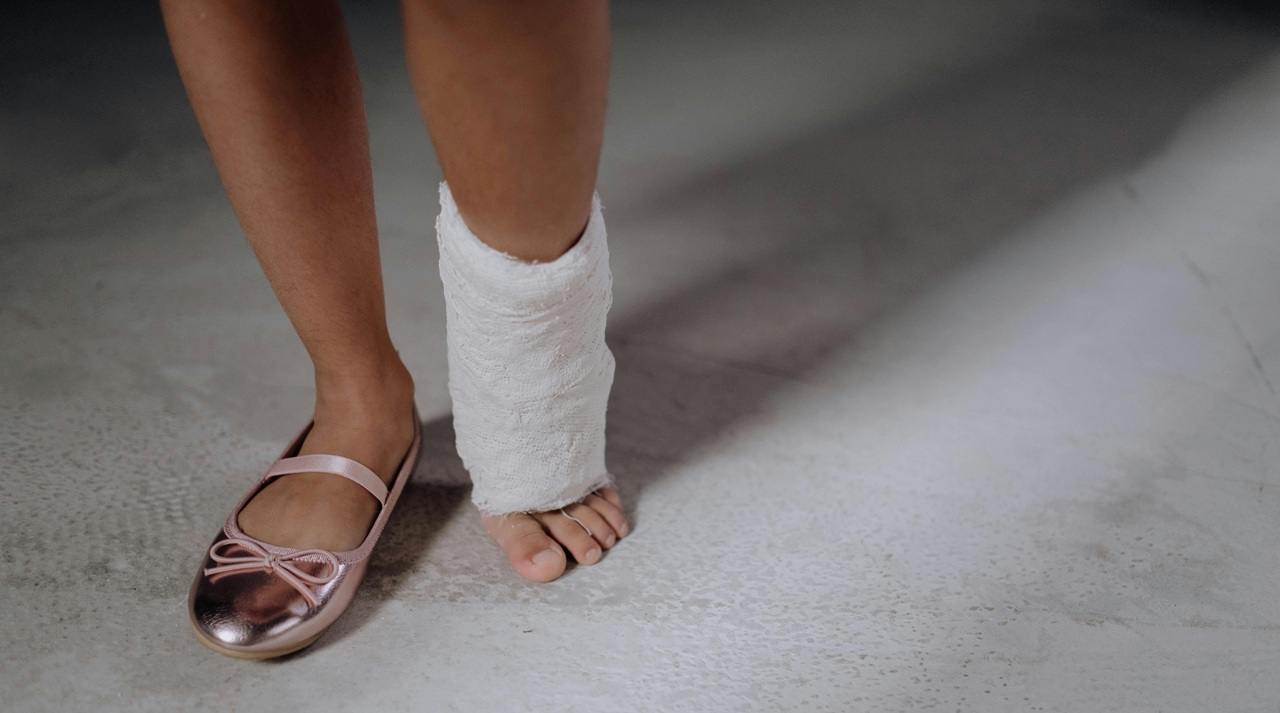
Broken Bones & Growing Strong — The Science of Growing Up
You might expect broken bones to be something that comes with age, but childhood tells a different story. Up to 50% of boys and 40% of girls will break a bone before turning 16 — a surprisingly high statistic that often catches parents off guard.
Part of the reason is simple: children move differently. They run faster than they can control, climb higher than seems sensible, and commit fully to every game, chase, and jump — often with very little sense of fear or caution to hold them back. That mix of energy, limited coordination, and a lack of risk awareness makes accidents more likely, especially during sports, cycling, or rough-and-tumble play.
But there’s more going on beneath the surface. Children’s bones are still developing, and during growth spurts they can temporarily become more fragile. Bone mineral density doesn’t always keep pace with rapid changes in height and weight, which helps explain why fractures often peak during puberty.
When a fracture does happen, swift action matters. Always seek medical attention as soon as possible so the injury can be properly assessed and stabilised. Most breaks will need to be immobilised with a cast or splint, and recovery depends heavily on rest. Pushing through pain or returning to activity too soon can interfere with healing and increase the risk of further injury.
Managing discomfort is another key part of recovery. Suitable pain relief options should always be age-appropriate and guided by a healthcare professional. In many cases, standard over-the-counter medication like Calpol may be recommended, but stronger relief is sometimes needed depending on the severity of the break.
Prevention isn’t always straightforward, but there are ways to reduce risk. A balanced diet rich in calcium and vitamin D supports stronger bones during growth.
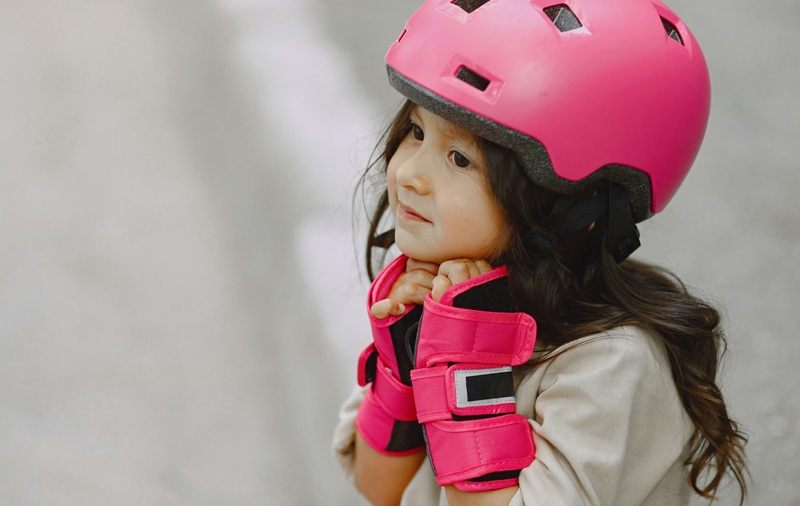
Protective gear is also essential during sports — helmets for cycling, pads for skating, and mats for activities like gymnastics can make a real difference. And while independence is important, supervision still matters, particularly in high-risk environments such as playgrounds where falls are more common.
Occasionally, injuries happen in settings outside the home. If a trusted adult or organisation failed to take appropriate precautions, there may be grounds for a school accident claim, particularly where negligence is involved.
Most children recover fully from fractures and go on without further issues. However, repeated breaks can sometimes signal an underlying concern. A bone that heals properly should not be breaking frequently. In rare cases, conditions such as osteoporosis or temporary bone weakness linked to hormonal changes or nutritional deficiencies during adolescence may play a role and should be checked by a medical professional.
Ultimately, broken bones are often an unavoidable part of growing up — a mix of adventure, development, and occasional misjudgement. While they can’t be eliminated entirely, awareness, preparation, and prompt care can make recovery smoother and help children get back to being children as quickly and safely as possible.