DIY Skills: Learning Together at Home
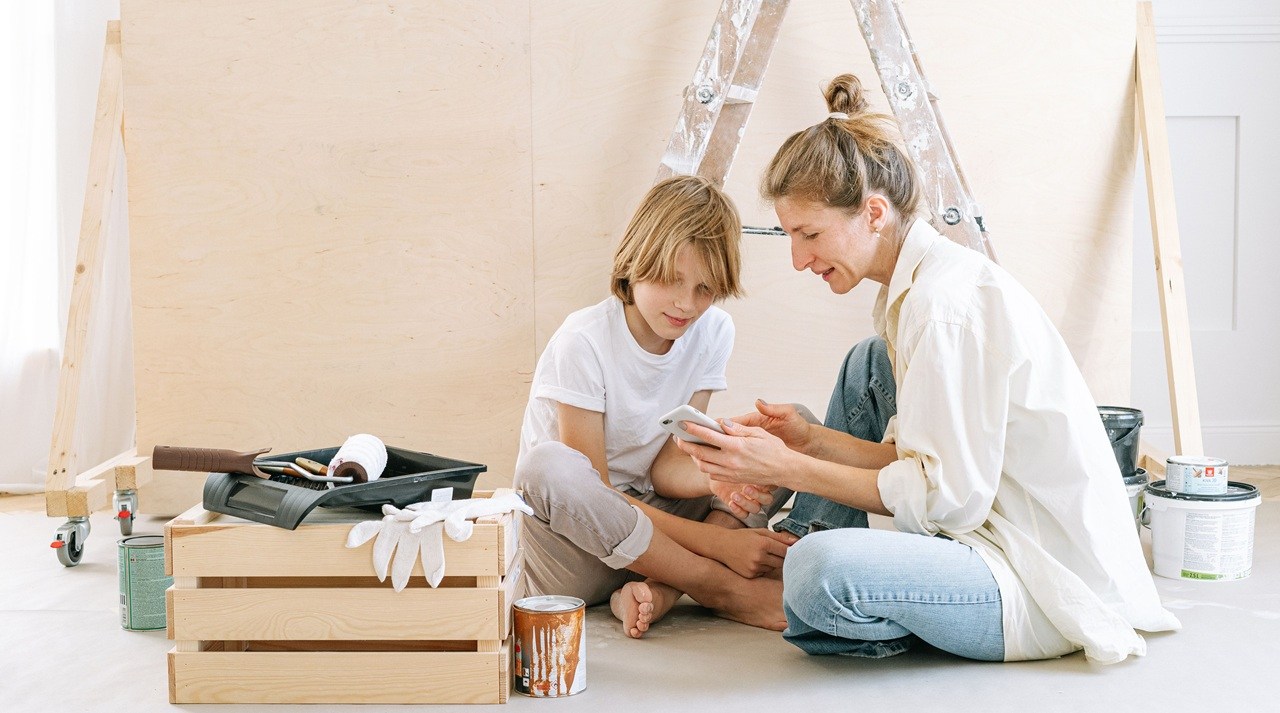
DIY isn’t just about fixing things around the house – it can be a great way for families to learn new skills, spend time together and build confidence. From measuring and planning to using tools safely, simple DIY projects can teach children valuable lessons about patience, problem-solving and creativity.
Learning something new is a great way to keep your brain engaged, and DIY can be a rewarding hobby for adults and children alike. It can help save money, improve your home and even become something you enjoy doing together rather than just another task on the to-do list.
For children, getting involved in small DIY projects can help develop practical skills and a sense of achievement. Of course, tools should always be used with appropriate supervision, but even simple jobs like painting, measuring or assembling something can be a great introduction.
If you’re new to DIY yourself, here are some tips to help you get started.
Measure Twice, Cut Once
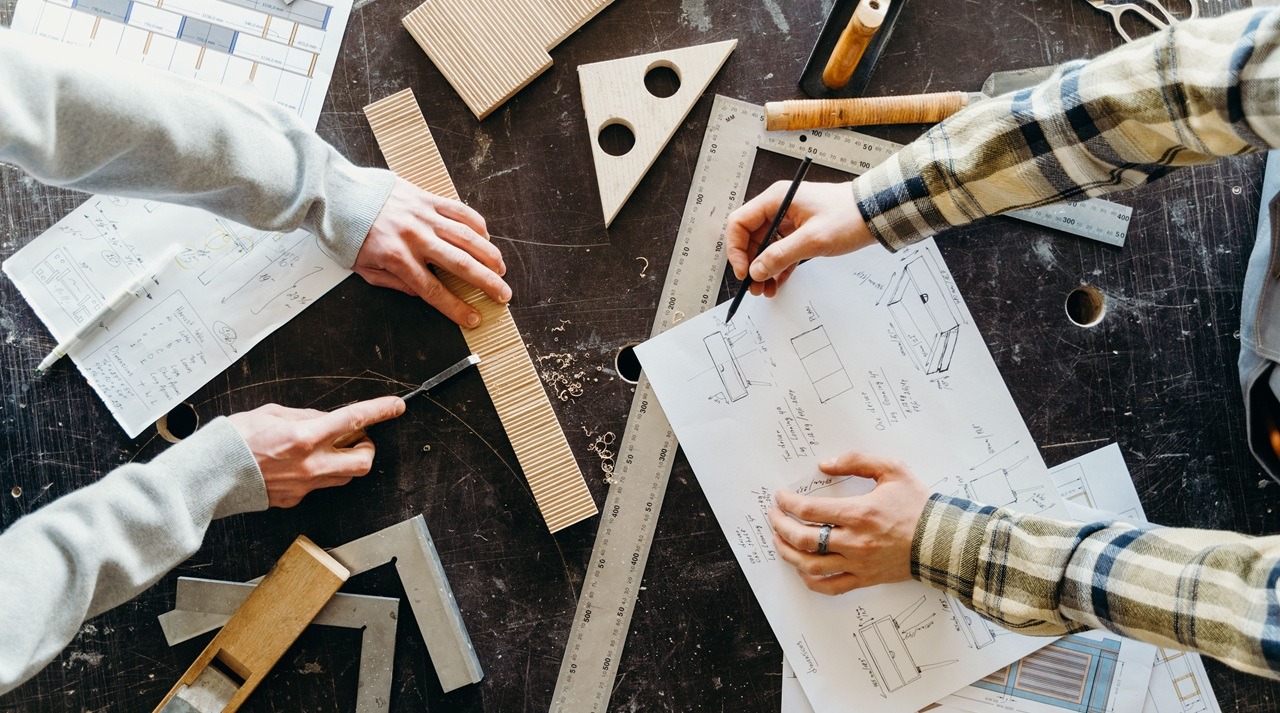
This is one of the most important rules of DIY. Always measure twice before you cut anything. A small mistake at this stage can affect the whole project, so taking a little extra time to check your measurements can save a lot of frustration later.
If children are involved, measuring is a great way to introduce them to practical maths and show how numbers are used in everyday life.
Check all numbers and units carefully and make sure all of your measurements are in the same unit, i.e. mm, cm, or inches, so you don’t accidentally mix measurements.
When marking where something needs cutting or adjusting, use a pencil and make sure your line is straight. Careful preparation is one of the easiest ways to achieve a better result.
Use the Right Tools and Materials
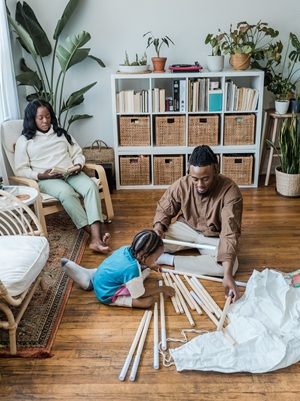 Choosing the right tools and fittings is an important part of any DIY project. While it might be tempting to use whatever is closest, the correct equipment will make the job easier and help create a stronger, safer finish.
This applies to everything from drill bits and blades to screws and fixings. Wood screws, for example, are designed with a thread and taper that helps them grip timber securely, creating a stronger hold and reducing the chance of the wood splitting.
For children, learning about different tools and what they are used for can be a fun part of the process. Even if they aren’t ready to use them, understanding how things work helps build curiosity and confidence.
Give Yourself Plenty of Time
Rushing a DIY project is one of the easiest ways to make mistakes, especially when you’re still learning. Family life can be busy, but trying to squeeze a project into a short window can often make it more stressful than enjoyable.
Remember that some stages need time to dry, set or settle properly. Paint, glue and filler all need time before the next step can begin, and waiting patiently is part of learning the process.
By allowing extra time, you can enjoy the experience together and focus on doing things carefully rather than trying to finish as quickly as possible.
Start Small Before Tackling Bigger Projects
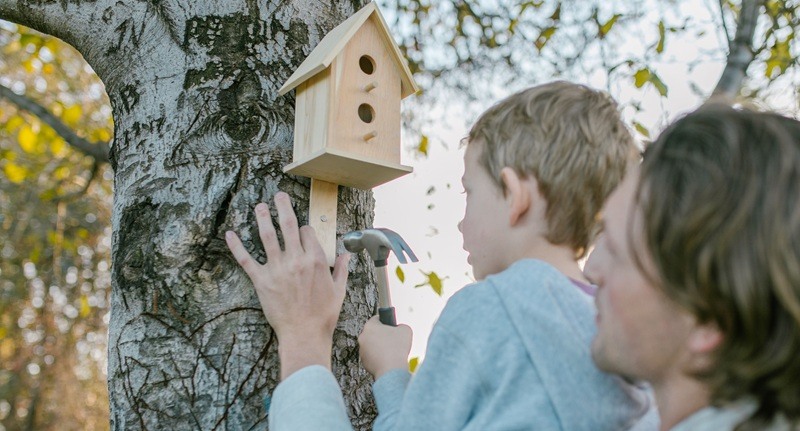
When you’re starting out, small projects are a great way to build confidence. A simple shelf, picture frame or furniture refresh can help you practise important skills without feeling overwhelmed.
For children, completing a small project can be incredibly rewarding. Seeing something they helped create being used at home can give them a real sense of pride and encourage them to try new things.
Starting small also means mistakes are easier to fix and won’t have a big impact on your time or budget. As your family’s skills and confidence grow, you can gradually take on bigger projects together.
DIY is about much more than the finished result. It’s about learning, experimenting and creating memories along the way – and those are skills your children can carry with them for years to come.