
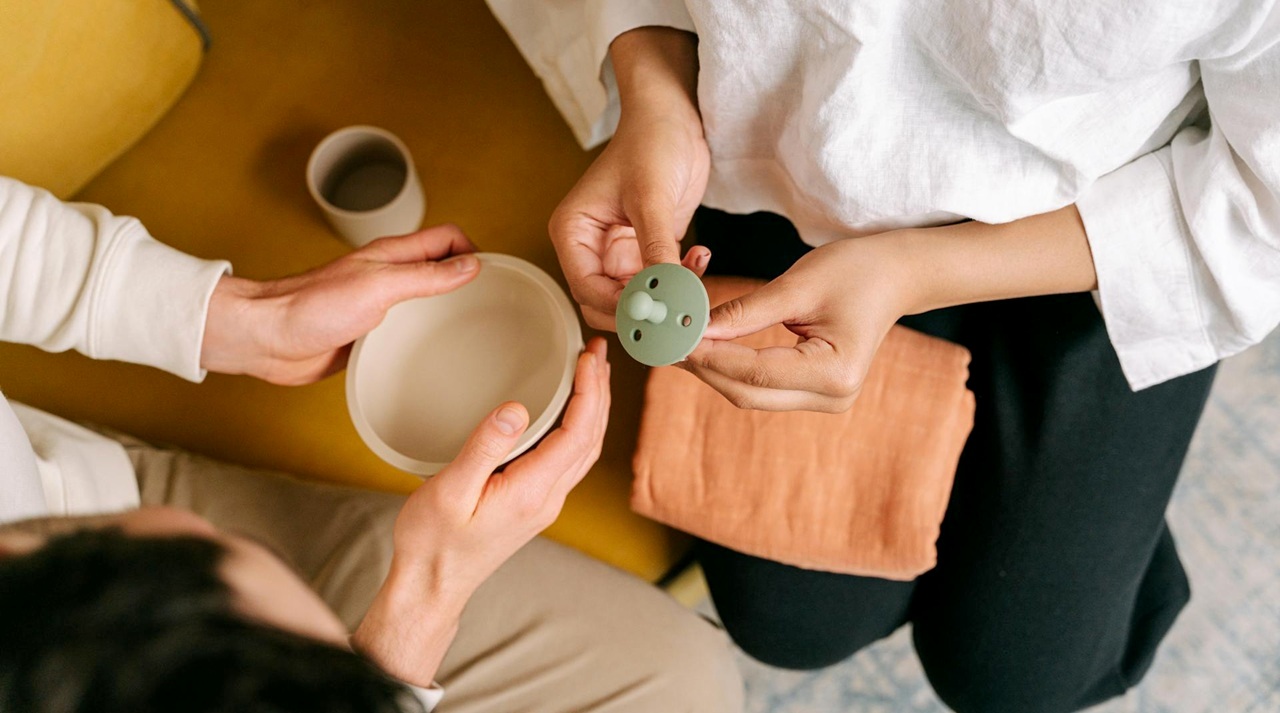
Tiny Suckers, Big Questions: Pacifier Guide
Pacifier: Yay or Nay?
Pacifiers can be little lifesavers — they soothe babies, calm fussy moments, and sometimes even help them sleep. But like everything in parenting, balance and timing matter!
Yay
- Comforts and soothes baby
- Helps babies fall asleep and stay asleep
- May slightly reduce the risk of SIDS: Using a pacifier during naps and bedtime may lower the risk of Sudden Infant Death Syndrome. The exact reason isn’t fully understood, but it may help babies sleep in safer positions or keep airways slightly more open.
Nay
- Can affect breastfeeding if introduced too early (first 3–4 weeks)
- Overuse may impact teeth alignment if used too long or constantly
- Can become a tricky habit to wean off, especially if used for every sleep
A Mum’s Experience
As a mum of two, I’ve seen both sides!
For my son, the pacifier worked like magic during sleep — it calmed him and gave me a few moments of peace. He didn’t seem hungry or fussy, which made bedtime easier. I tried a balanced approach: offering it sometimes and letting him self-soothe other times so it didn’t replace breastfeeding entirely.
Removing the pacifier was tough. Habits are hard to break, but slowly reducing use — giving it only at certain times — made the process manageable.
For my daughter, she wasn’t interested in the pacifier at all. Every child is different!
Extra Insights
Ear Pressure:
Sucking during flights or car rides helps ease discomfort.
Sucking & Milk Intake:
Babies’ natural sucking reflex is important for breastfeeding. Too much pacifier use too early can reduce milk intake.
Ear Infection Risk:
Frequent pacifier use may slightly increase ear infections in toddlers.
Teeth & Pacifiers:
Occasional use in the first year is usually fine. Problems may appear if used constantly beyond age 2–3, possibly affecting teeth alignment. Gradually reducing use can help prevent this.
Tips for Safe Use
- Wait until breastfeeding is well established (3–4 weeks)
- Keep pacifiers clean and replace worn ones regularly
- Limit use to naps, bedtime, or flights/car rides
- Gradually reduce use as your child grows
- Be patient — breaking habits takes time; celebrate small wins!
Tips for Helping Your Child Give Up the Pacifier
- Choose a “cut-off” age or time — like after 2–3 years, or day weaning first
- Offer alternatives: soft toys, cuddles, a comfort blanket
- Reduce gradually: shorten use or limit to certain situations
- Create a positive story: the pacifier is “growing up”
- Celebrate milestones: a whole nap without it is a big win
- Stay calm and consistent — gentle persistence works best
Conclusion
Pacifiers are tools — not a necessity and not a problem. With thoughtful use and gentle guidance, they can support both your child’s comfort and your parenting journey.
Pacifiers aren’t “good” or “bad.” They’re simply one of the many ways we comfort our little ones. With balance, they can be truly helpful. Every family finds their own rhythm, and understanding both the benefits and the challenges helps parents make confident choices that feel right for them.
Whether you’re Team Yay or Team Nay, the best choice is the one that brings peace to you and your little one.