
Family Motorcycling with Kids: Sharing the Adventure Safely
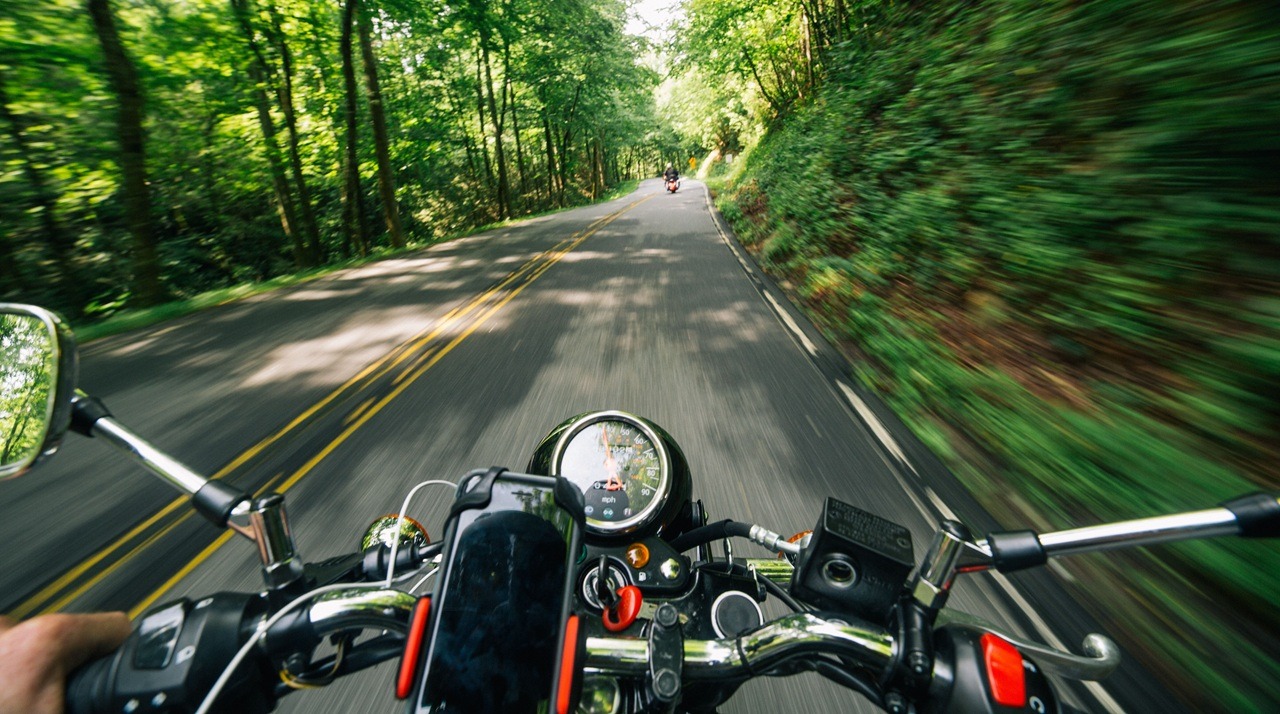
For some families, a motorcycle is much more than a way of getting from A to B. It’s a passion, a hobby and a way of exploring the countryside together. A family trip on two wheels can turn a day out or holiday journey into a real adventure, with scenic roads, interesting stops and the excitement of experiencing the journey together.
Unlike travelling by car, riding a motorcycle is an immersive experience. You feel the fresh air, take in the scenery and become much more aware of the world around you. For children who are old enough and confident enough to ride safely as a passenger, it can be a great way to share something you love.
Of course, taking a child on a motorcycle requires careful planning. From choosing the right protective gear and checking your bike to planning a child-friendly route, safety has to come first. Get the preparation right, though, and those miles on two wheels could become some of your family’s favourite memories.
Getting the Gear Right for Everyone
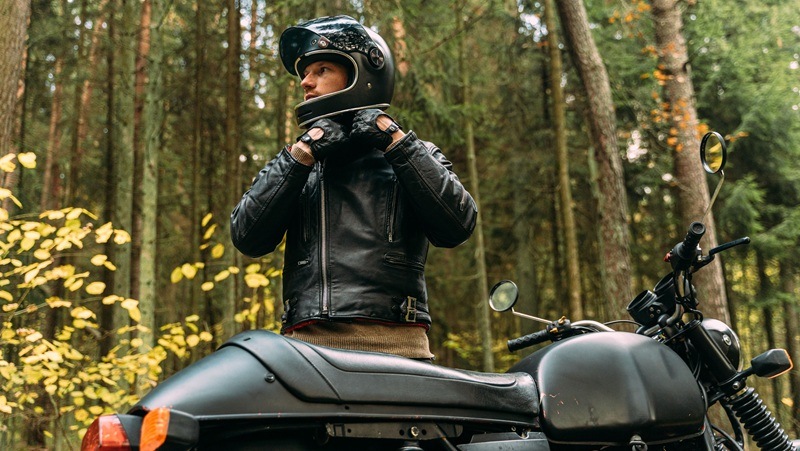
Before you even think about turning the key, make sure every rider and passenger has the correct protective gear. This is especially important for children, whose bodies are still developing. Children’s motorcycle gear should be properly designed and fitted for their proportions rather than simply being small versions of adult equipment.
- Helmets:
A full-face helmet offers the most protection. It must meet the relevant UK safety standard and fit snugly without being too tight. Make sure your child can comfortably wear it for the duration of the ride. - Jackets and Trousers:
Choose motorcycle-specific clothing made from abrasion-resistant materials such as leather or reinforced textiles, ideally with CE-rated armour in key impact areas including the shoulders, elbows, back and knees. - Gloves:
Proper motorcycle gloves protect hands from scrapes and impacts while helping to keep them warm and maintain a secure grip. - Boots:
Sturdy, over-the-ankle motorcycle boots help protect feet and ankles and provide secure footing on the footrests.
Good-quality, properly fitting gear is non-negotiable when riding with a child. It protects them while also teaching an important lesson about taking safety seriously.
Is Your Bike and Paperwork Ready for the Road?
A well-maintained bike is a safer bike, so carry out some basic checks before setting off, particularly before a longer journey. A simple system to remember is T-CLOCS: Tyres, Controls, Lights, Oil, Chassis and Stands. Check your tyre pressure and tread, brakes, clutch, lights, oil level and look for any leaks or obvious problems.
Your paperwork needs attention too. Make sure your MOT and road tax are up to date and check that your insurance covers carrying a pillion passenger. It’s also worth reviewing your breakdown cover to make sure you’re covered for the journey you’re planning.
The right bike insurance provides an important safety net, helping to cover the unexpected. It’s much better to discover any gaps in your cover before you set off than when you actually need it.
Can Your Child Ride Safely?
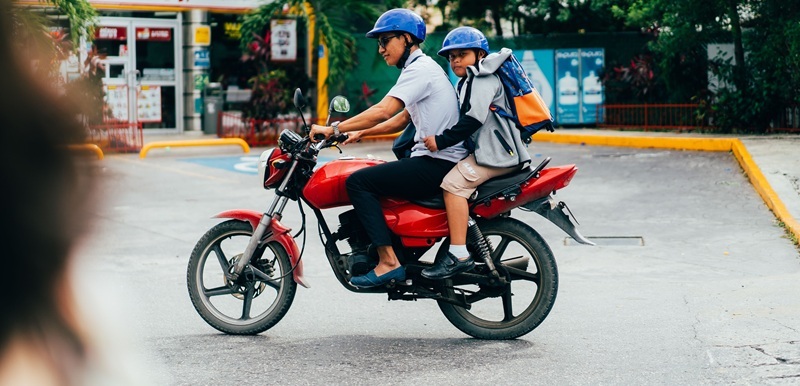
There is no specific minimum legal age for a child to travel as a pillion passenger on a motorcycle in the UK. However, there are clear requirements about whether they can be carried safely.
UK government guidance states that a pillion passenger must be able to sit astride the motorcycle and reach the passenger footrests securely. The Highway Code also says that the passenger should face forwards with both feet on the footrests.
For younger children, this may simply not be possible. In practice, riding is more likely to be suitable for older children who are physically big enough, confident enough and mature enough to understand how to behave as a passenger.
Before setting off, make sure your child knows how to get on and off safely, where to hold on and why sudden movements are dangerous. If they are frightened or uncomfortable, don’t pressure them to ride. It should be an enjoyable experience for both of you.
Plan a Family-Friendly Route
A road trip with a child on the back is very different from a solo tour. Their endurance and attention spans are shorter, so avoid making the journey too long or monotonous.
Instead of spending hours on a motorway, consider scenic A and B roads that make the journey part of the adventure, provided they are appropriate for your riding ability and conditions. Build in regular stops and keep the riding sessions manageable.
An hour or so on the bike followed by a decent break can be a useful starting point, although the right length will depend on your child’s age, experience and comfort. Plan stops around places your child will enjoy – a park, a café with great cake, a viewpoint or a local attraction. Take a look at the M&D Events Guide too – you might find a family event or a great place to visit that could make a perfect stop along your route.
These family road trip tips can also help you plan ahead and avoid fatigue. A comfortable, happy passenger makes for a more relaxed and focused rider.
What to Pack
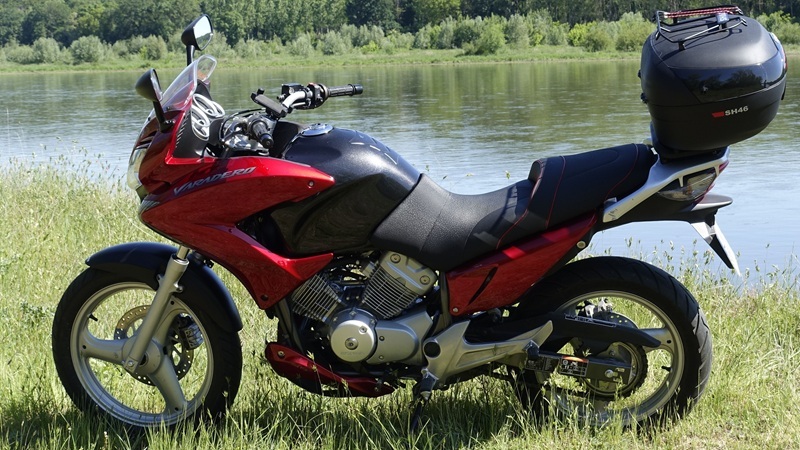
You want to travel light on a motorcycle, but a few essentials can make a big difference. Panniers or a top box will give you useful extra space.
- First-aid kit:
Pack plasters, antiseptic wipes, bandages and appropriate pain relief. It’s also useful to know what to do in the event of more serious road traffic incidents. - Water and snacks:
Keep everyone hydrated, particularly on warmer days, and pack easy-to-eat snacks for breaks. - Extra layers and waterproofs:
Weather can change quickly, so spare warm layers and waterproofs can keep everyone comfortable.
Don’t forget the parental essentials either – wet wipes and sun cream can be just as useful on two wheels as they are anywhere else!
Riding Together
Having a passenger changes how a motorcycle handles. The extra weight affects acceleration, braking and cornering, so ride smoothly, allow extra stopping distance and avoid sudden movements.
Talk to your child before setting off and explain that they need to sit still, hold on securely and follow your movements when cornering rather than making sudden movements of their own.
Clear communication is also important for keeping your family safe on the road. A Bluetooth intercom system can make it much easier to check that your child is comfortable or needs a break. If you don’t have one, agree on simple hand signals beforehand – for example, a tap on the shoulder to mean “I need to stop”.
Taking your family on a motorcycle adventure can be a rewarding way to share your passion and explore somewhere new together. With the right preparation, suitable equipment and a strong focus on safety, you can make the journey itself part of the family adventure – and create memories that last long after the engine has been switched off.