

Know Your Rights as a Homeowner
Buying a home is a huge step for any family. It’s not just a financial investment, but the place where you’ll make memories, watch your children grow and hopefully feel settled for years to come. But once you’ve unpacked, put pictures on the walls and made the place your own, it’s easy to forget that homeownership comes with legal rights and responsibilities too.
Understanding the basics can help you protect your family’s biggest asset, avoid expensive surprises and make more confident decisions when it comes to your home. Whether you’re planning an extension, dealing with a neighbourly dispute or simply want to understand what you actually own, a little knowledge can go a long way.
This guide covers some of the key legal points every homeowner should know, along with a few common pitfalls worth avoiding.
Homeownership: A Legal Overview
In the UK, property ownership usually falls into one of two types: freehold or leasehold. If you own the freehold, you own the building and the land it sits on outright. If you have a leasehold, you own the property for a set period, but not the land itself. The freeholder owns the land. This difference is important because it affects your rights, your responsibilities and what you can do with your home.
The process of buying a home, from making an offer to getting the keys, is also a complex legal journey. It involves checks, searches and the official transfer of ownership. Conveyancing solicitors handle this process, checking that the title is clear, identifying potential problems and making sure the property legally becomes yours. Once the purchase is complete, your ownership is registered with HM Land Registry, providing an official record of your rights.
Key Documents Every Homeowner Should Know

Buying a family home comes with plenty of paperwork, and it can be tempting to put it all away and forget about it once you’ve moved in. However, some of these documents could be important later, particularly if you want to make changes to your home or eventually sell it.
It’s worth keeping your paperwork somewhere safe and knowing what it contains. Understanding these documents is a core part of grasping property law basics and knowing exactly what you own.
- Title Deeds:
These provide evidence of ownership. Most properties are now registered electronically with HM Land Registry, but you may still have copies of documents relating to the property and your ownership. - Property Information Form (TA6):
Completed by the seller, this provides important information about the property, including disputes, boundaries, planning permissions and guarantees for work carried out. It’s also part of the wider picture when it comes to legal planning ahead. - Fixtures and Fittings Form (TA10):
This records what is included in the sale, from carpets and curtains to kitchen appliances and garden sheds. It can help avoid disagreements about what should have been left behind.
These documents may not seem particularly exciting, but knowing where they are and what they say can save a lot of stress further down the line.
Protecting Your Family Home
Your rights as a homeowner go beyond simply owning the bricks and mortar. You have the right to peacefully enjoy your property, meaning you should generally be able to live in your home without unreasonable interference from others. Of course, the same applies to your neighbours, so your family’s enjoyment of your home also comes with a responsibility to avoid causing unreasonable disturbance to theirs.
For families, disputes can sometimes arise over practical everyday issues such as boundaries, shared driveways, parking or overhanging trees. If a problem does occur, a calm conversation with your neighbour is often the best place to start. If that doesn’t resolve things, your title documents may help clarify boundaries and responsibilities.
Understanding your basic homeowner rights can help prevent a relatively small disagreement from becoming an expensive legal battle. You may also have rights concerning development around your property. For example, the ‘right to light’ can sometimes provide protection if a new development significantly affects the natural light reaching your home.
Before You Make Changes to Your Home
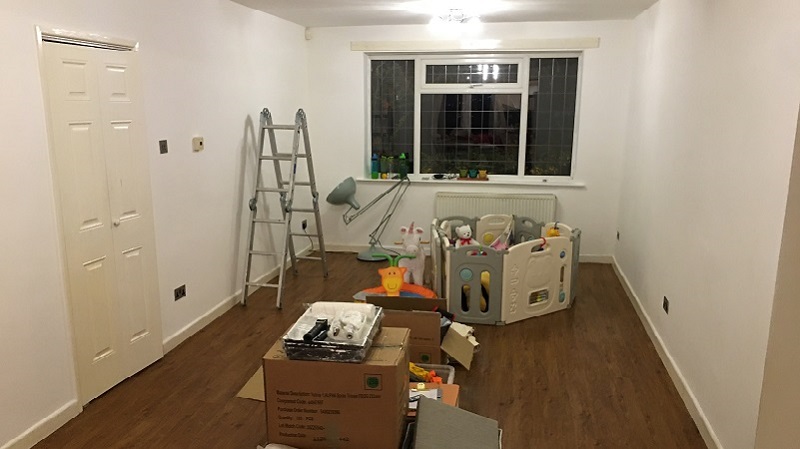
As your family grows, your home may need to change too. Perhaps you want to knock down a wall to create more space, build an extension for a growing family or convert part of the house into a playroom, office or bedroom.
Before reaching for the toolbox, however, check whether you need planning permission or building regulations approval. The rules vary depending on the work, so it’s important to check with your local council before starting.
You should also check your property’s title documents for any restrictive covenants. These are rules that can limit what you can do with your property. For example, a covenant might restrict running a business from home, parking a caravan on the driveway or building an extension without specific permission.
Ignoring a restrictive covenant can potentially lead to legal action, so it’s much better to find out about any restrictions before you start making plans.
Likewise, carrying out work without the necessary permissions can cause problems when you eventually come to sell your home. In some circumstances, you could even be required to put things back as they were.
Thinking Ahead for Your Family
Family life rarely stays the same for long. Children grow, needs change and what worked perfectly a few years ago may no longer suit your family. That might mean needing an extra bedroom — or two, if your family has a particularly enthusiastic approach to growing — creating a quieter space for an older child, adapting your garden or thinking about accessibility for a family member.
Understanding the legal side of homeownership is useful whatever stage you’re at. It can help when you’re making changes to the property, dealing with a neighbourly issue, remortgaging or, eventually, deciding it’s time to sell. Knowing where you stand means you’re better prepared to make decisions that work for your family, both now and in the future.