

Finding Their Thing – From Sport to Drama and Everything in Between
Choosing the right extracurricular activities for your child can feel like a huge responsibility. With so many options, from sport and music to art and drama, it’s easy to feel overwhelmed. The goal is to find something that not only keeps them busy but also helps them grow, builds their confidence, and, most importantly, that they genuinely enjoy.
This guide will help you sort through the choices and find the perfect fit for your little one.
Considering Developmental Stages
When picking an activity, your child’s age and how they’re developing are the most important things to consider. What excites a toddler will probably bore an eight-year-old, and vice versa. For very young children, focus on play-based activities that help them develop their gross and fine motor skills. Think messy play, building blocks, or simple music and movement classes. These simple, engaging activities for 2-year-olds are great for encouraging natural curiosity and physical development.
As children get older, they become better at understanding rules and working with others. This is a good time to introduce team sports, group drama classes, or clubs like Brownies and Cubs. Their interests will also become clearer, and they’ll start to show strong preferences for certain hobbies.
Balancing Fun and Learning
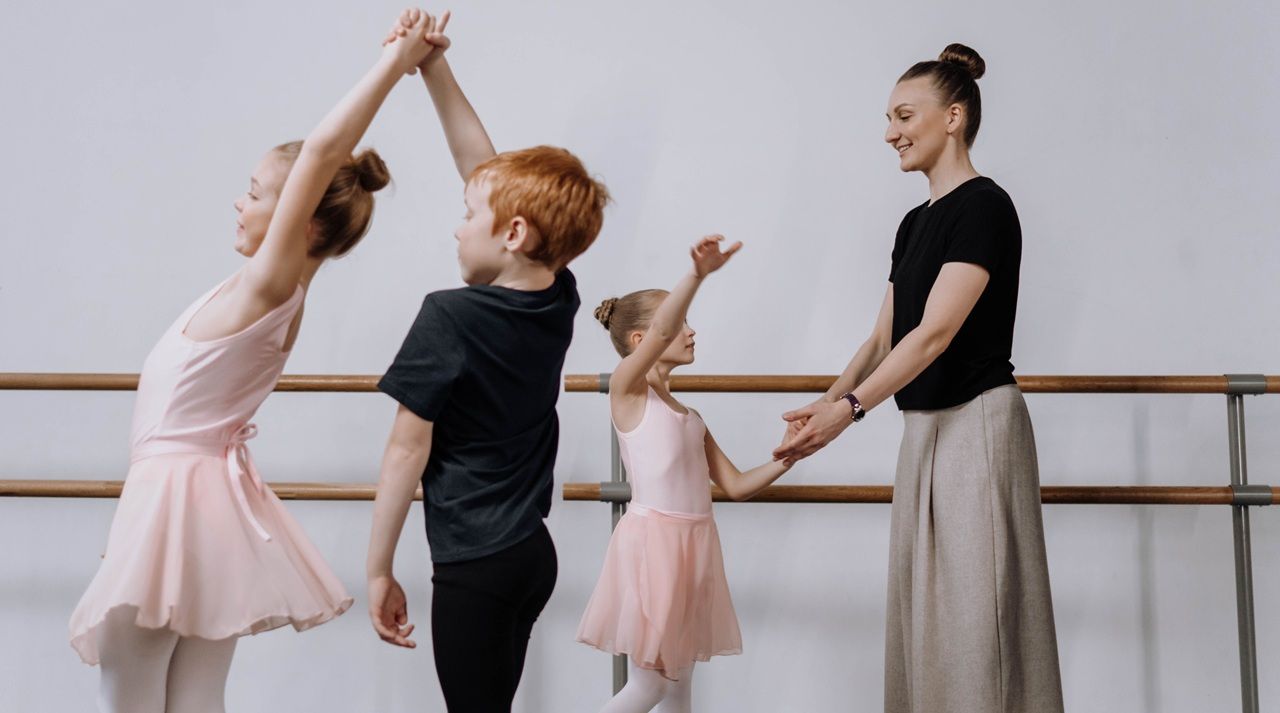
The best activities are those that cleverly mix fun with learning. Children learn most effectively when they’re engaged and having a good time, often without even realising they’re picking up new skills. Supporting your child’s education can also mean encouraging learning beyond the classroom through hobbies and activities that match their interests. An art class isn’t just about painting; it’s about creativity, patience, and self-expression. A coding club teaches problem-solving and logical thinking, all while creating fun games.
When you look at different options, try to spot the hidden learning opportunities. It can be helpful to compare toddler learning activities to understand how each one helps with thinking or social growth. The main thing is to avoid anything that feels too much like school. The activity should be a welcome break, offering a different way to explore the world and their own abilities.
The Life Skill Advantage
Some activities offer more than just a fun afternoon; they give children essential life skills that will benefit them for years. Team sports teach collaboration, resilience, and good sportsmanship. Music lessons can improve concentration and discipline. These pursuits help build character and prepare children for future challenges in a supportive setting.
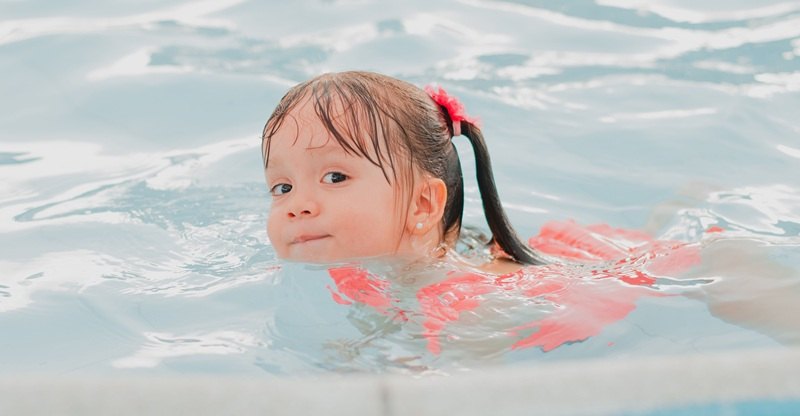
One of the most valuable life skills you can give your child is water confidence and safety. Regular swimming lessons can help children become more comfortable in the water while developing important swimming and safety skills. They also foster discipline and teach a fundamental respect for water that is crucial for their safety throughout their life. It’s an activity that provides both immediate enjoyment and long-term security.
Safety First Considerations
Before signing your child up for any class or club, it’s crucial to do your homework on safety. Your peace of mind and your child’s wellbeing depend on it. Start by checking the instructors’ or leaders’ credentials. Are they qualified in their field? Do they have up-to-date DBS checks (Disclosure and Barring Service)?
Visit the location where the activity will take place. Is it clean, secure, and well-maintained? For sports or physical activities, check that the equipment is in good condition and right for your child’s age and size. Don’t hesitate to ask questions. A reputable organisation will be happy to provide information about their safety policies, insurance, and first-aid procedures. Trust your gut; if something doesn’t feel right, it probably isn’t.
Involving Your Child in Choices

While it’s tempting to enrol your child in the activity you wish you’d done as a kid, it’s much more effective to involve them in the decision. A child who has a say in their own schedule is far more likely to be enthusiastic and committed. Talk to them about what they might like to try. Watch videos of different activities online or, if possible, go along for a taster session.
Many clubs and classes offer free trial periods, which are a fantastic, low-pressure way to see if an activity is a good match. This gives your child the chance to experience the environment and meet the instructors before you commit. Listening to their feedback shows that you value their opinion and empowers them to take ownership of their interests.
Finding the right activity is a process of trial and error. What works for one child may not work for another, and interests can change over time. The most important thing is to give them opportunities to explore, learn, and grow in a way that feels right for them.


