

What to Do If Your Family Is Involved in a Car Accident
An accident involving your family is one of the most frightening things a parent can face. In those first moments, your mind can race with adrenaline and worry, making it difficult to think clearly. Knowing what to do ahead of time can help you stay calm and manage the situation, making sure everyone is safe and looked after. This guide walks you through the key steps to take if your family is ever involved in an accident, from the immediate aftermath to the days that follow.
Your First Priority: Safety and Medical Care
First things first, check on everyone. Start with yourself, then your children and any other passengers. If anyone is unconscious, not breathing or has a serious injury, call 999 immediately. Don’t move anyone unless they are in immediate danger, for example from fire or oncoming traffic.

If it is safe to do so, move your vehicle to the side of the road and turn on your hazard lights to help prevent further incidents. Even if injuries appear minor, it is important to get everyone checked by a medical professional. Some injuries, including whiplash and concussion, may not be obvious straight away.
The priority at this stage is simple: keep everyone safe and get the medical help you need.
Document Everything at the Scene
Once everyone is safe and medical help is on its way, if needed, your next step is to gather information. This can feel overwhelming, but it is important for any insurance claims or legal steps that may follow.
Use your phone to take pictures of the scene from different angles, including the position of the vehicles, damage to all cars involved, road conditions and any relevant road signs.
You should also exchange details with the other driver or drivers, including:
- Names, addresses and phone numbers
- Insurance company details and policy numbers
- Vehicle registration numbers, make, model and colour
It is also a good idea to get the names and contact details of any witnesses. Avoid discussing who was at fault and simply stick to the facts. Keeping a clear record of what happened can be invaluable if you later need to speak to your insurer or a personal injury lawyer about your legal options, particularly if you or a family member has been injured.
Comforting and Caring for Your Children
For a child, an accident can be terrifying. Your calm presence is one of the best sources of reassurance. Speak in a soft, reassuring voice and let them know they are safe and that you are there to look after them.
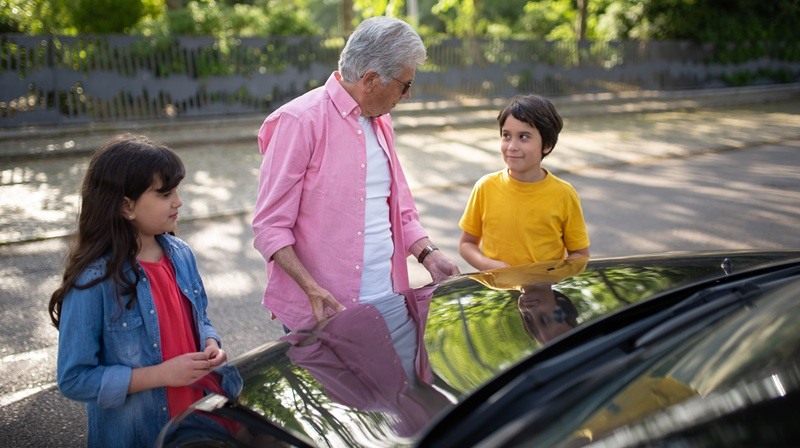
If they are old enough, explain what has happened in simple, age-appropriate terms. Acknowledge their feelings, whether they are frightened, crying or unusually quiet. A hug or simply holding their hand can provide a great deal of security. If there is likely to be a long wait for help, try to keep them warm, comfortable and distracted.
In the days and weeks after the accident, keep an eye out for changes in their behaviour, such as difficulty sleeping, nightmares or increased anxiety. These can sometimes be signs of emotional trauma. If you have concerns, speak to your GP or a child counsellor. It is also worth arranging any recommended follow-up appointments to make sure injuries that were not immediately apparent are properly monitored.
Navigating the Aftermath: Insurance and Support
Once the immediate situation is under control, contact your insurance provider as soon as you can, even if you don’t initially plan to make a claim. Give them a clear, factual account of what happened, using the information and photographs you collected at the scene. They will explain what you need to do next and guide you through the claims process.
You may also need to report the accident to the police, particularly if anyone was injured or the other driver failed to stop or provide their details. For a useful overview of the steps to take after an accident, see this guide on what to do if your family is involved in a car accident.
The days following an accident can feel confusing and stressful, but taking things one step at a time can make the process more manageable. Keep your records, follow up on any medical care and don’t be afraid to ask for support if you or your children are struggling with the experience.
No one ever wants to be involved in an accident, but being prepared can make a big difference in a stressful situation. By focusing on safety, staying calm for your children and methodically gathering information, you can handle the aftermath with greater confidence and make sure your family gets the support they need to recover.
Preparing children for life on the road is also an important part of keeping them safe as they grow. Developing good habits and an awareness of road safety from an early age can help lay the foundations for becoming responsible road users and, eventually, safe drivers. For more advice, read our guide to raising a safe driver.