
Raising Children Who Care
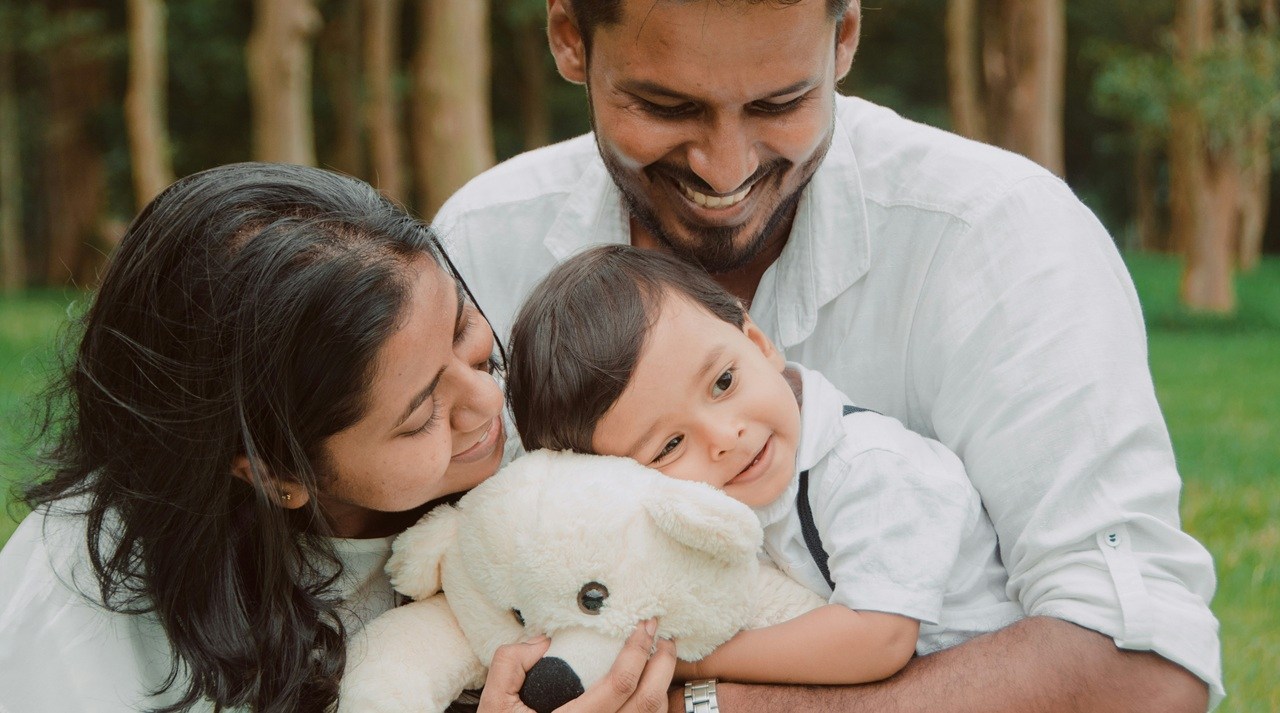
As parents, we all want our children to grow up happy and confident, but there’s more to raising a well-rounded child than academic success or achievements. We also want them to be kind, thoughtful and aware of the people and world around them.
These qualities aren’t necessarily taught through big conversations or grand gestures. They develop through the small things families do every day – how we treat other people, how we respond when things go wrong, and how we encourage our children to think beyond themselves. Making small, everyday changes to family life can make a real difference over time.
Teaching Empathy and Kindness
Children learn a great deal about kindness simply by watching the adults around them. When we treat others with consideration, apologise when we get something wrong and talk openly about our own feelings, we give children plenty of opportunities to learn by example.
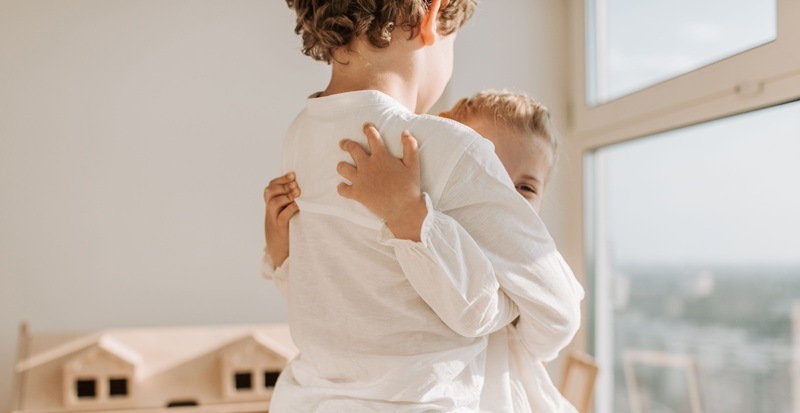
It can also help to encourage children to look at situations from someone else’s point of view. Simple questions such as, “How do you think that made your friend feel?” or “What could we do to help?” can help them begin to understand how their words and actions affect other people.
There are plenty of simple ways to teach kindness, from encouraging children to help at home to noticing when someone else might need a little support. Developing family empathy is less about getting everything right and more about making consideration for others a normal part of family life.
Looking Beyond the Family
As children grow, they can begin to understand that their actions can have an impact beyond their immediate circle. Getting involved in the local community is one way to help them see this in practice.
It doesn’t have to mean a major commitment. A family might join a local park clean-up, bake for a school fundraiser, help at a community event, or donate toys and clothes that are no longer needed. These everyday experiences can help children understand that communities work better when people are willing to contribute and look out for one another.
They also provide an opportunity to talk about the different ways people can make a difference. For some families, that might mean volunteering occasionally; for others, it may lead to a much bigger commitment.
The Ripple Effect of Kindness
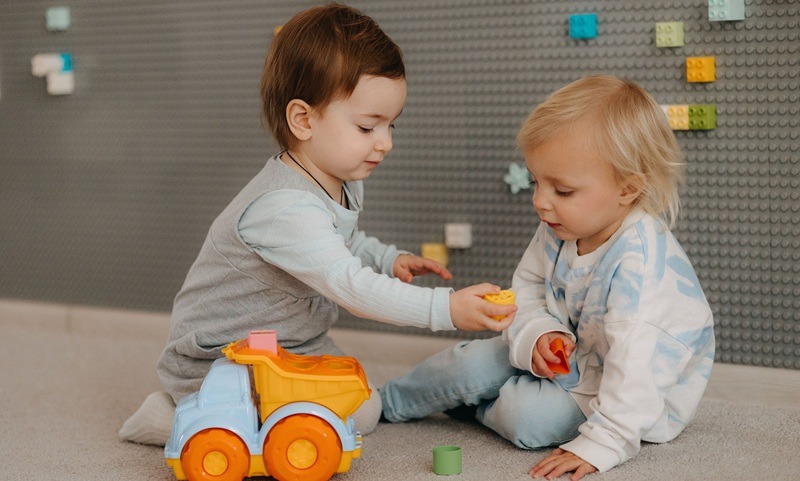
It’s easy for children to think that one small action can’t possibly make much difference. Helping them see the connection between their actions and what happens next can be a useful way of changing that perspective.
For example, a child who helps a classmate with a difficult piece of homework might give them the confidence to keep trying. That child may then be more likely to help someone else when they need it. One small act can lead to another.
You can point out these connections when they happen naturally. If your child shares a toy, helps someone who is struggling or notices that another person needs support, talk about what difference their action made. Over time, children can begin to recognise that kindness doesn’t have to be dramatic to be meaningful.
Considering Foster Care to Help Others
For some families, the desire to support others can lead to a much deeper commitment. Fostering provides children and young people who cannot live with their birth families with a safe, stable and supportive home while decisions are made about their future.
Becoming a foster carer is a significant commitment and requires patience, resilience and a willingness to work closely with professionals and a child’s wider support network. But for families who are able to take on that role, it can be an incredibly rewarding way to make a lasting difference.
Fostering is about much more than providing a roof over a child’s head. Foster carers provide stability, encouragement and a sense of belonging at a time when a child may be experiencing considerable change. It can also give your own children an opportunity to learn about compassion, sharing and the many different ways that families can look.
If you’re considering whether fostering could be right for your family, organisations such as New Chapters Fostercare can provide information and guidance about what is involved.
It’s easy to think that making a difference requires a big commitment, but small acts of kindness matter too. The way we treat each other at home every day, the help we give in our community, and the bigger decisions we make to support others – some of which can significantly change our family dynamics – all help shape the kind of people our children grow up to be. There’s no single way to teach compassion or make a difference – what matters is giving children the opportunity to see kindness, empathy and generosity in action, both in everyday life and through the bigger things we choose to do as a family.