
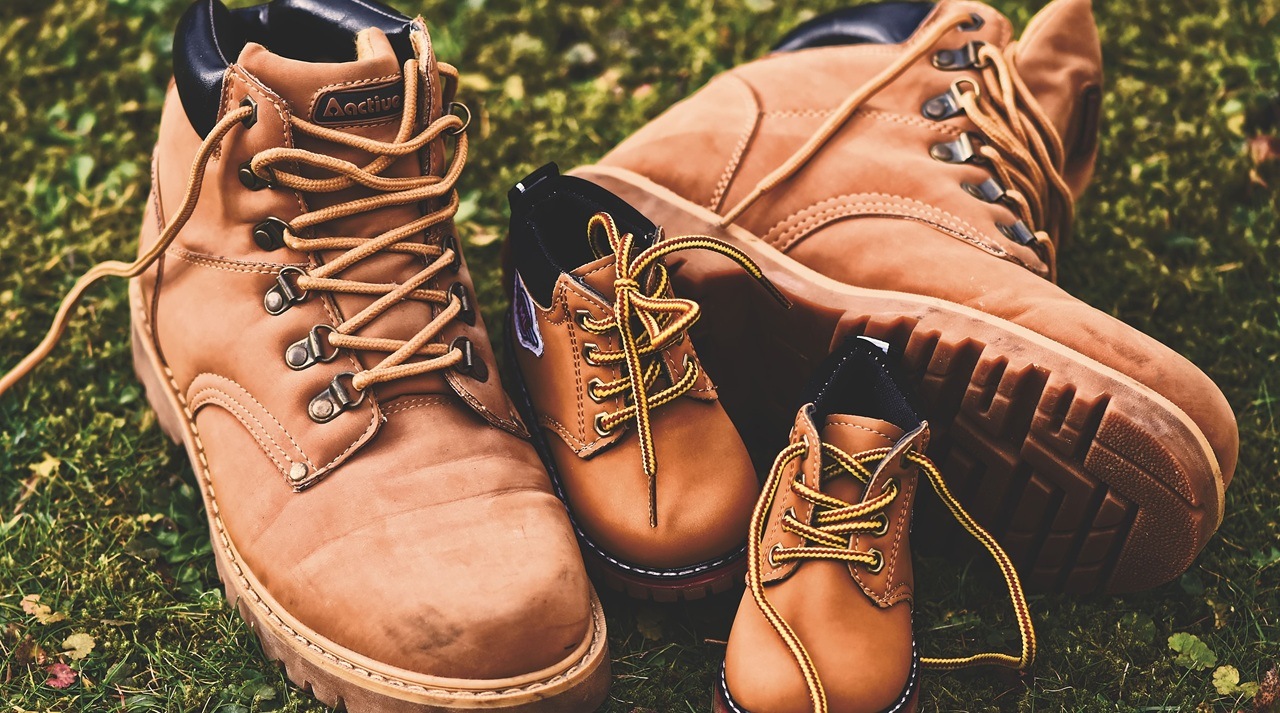
Keep Them Going: How to Make Your Family’s Boots Last Longer
A good pair of boots is more than just footwear; it’s an investment in comfort, style, and readiness for adventure. Whether they’re for muddy dog walks, weekend hikes with the family, or simply navigating the school run on a rainy day, you rely on them to keep your feet warm and dry.
The same goes for children’s boots and shoes, which can take plenty of punishment from puddles, playgrounds and muddy walks. To get the most out of that investment, a little bit of care goes a long way. With the right techniques, you can significantly extend the life of your favourite boots, keeping them looking great and performing well for longer.
Understanding Different Materials
First things first: you need to know what kind of boots you’re working with. Different materials have unique needs, and using the wrong product or method can actually do more harm than good. Most quality boots are made from leather, synthetic fabrics, or a combination of both.
Full-grain leather is the classic choice for durable boots. It’s tough, breathable, and moulds to your foot over time. But, it needs regular conditioning to stop it from drying out and cracking. A complete leather boot care guide will often recommend specific creams or waxes to nourish the hide and keep it flexible. Suede and nubuck are also types of leather, but their soft, fuzzy surfaces are more delicate. They stain easily and need special brushes and protective sprays to keep them looking their best. Definitely avoid heavy waxes or creams on them, as this will flatten the texture and ruin the finish.
Many modern boots designed for outdoor performance use a mix of materials. For example, a high-quality walking boot might have a full-grain leather upper for support and durability, combined with fabric panels for breathability and reduced weight. Boots like the Altberg Tabbing are built for demanding use and often feature advanced materials that benefit from specific care routines to maintain their performance. Children’s walking boots can also combine different materials, so always check the manufacturer’s care instructions before applying any specialist treatment.
Synthetic materials like Cordura or nylon are generally easier to care for; a simple wipe-down with a damp cloth is often enough. However, the seams between leather and fabric can be a weak point, so keeping them clean and well-sealed is important.
Everyday Cleaning and Storage Tips
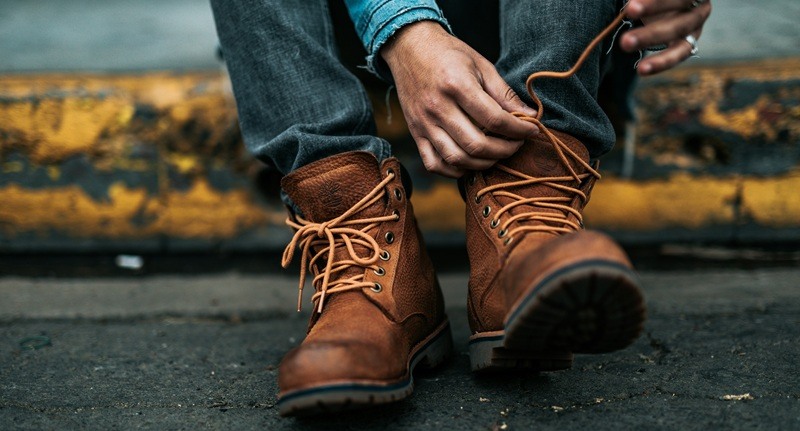
Consistent, simple habits are the secret to making your boots last. You don’t need to perform a deep clean after every single wear, but a quick bit of maintenance can prevent dirt and moisture from causing long-term damage. This is particularly useful with children’s footwear, which can come home from school covered in mud. Learning how to properly care for your boots starts with what you do the moment you take them off.
- Brush off the dirt: Before you put your boots away, take a minute to knock off any clumps of mud. Use a stiff-bristled brush to remove any dried dirt from the uppers and the grooves of the sole. For leather boots, a softer horsehair brush is better for the upper material to avoid scratches.
- Wipe them down: If your boots are particularly grimy, use a damp cloth to wipe away any remaining residue. For stubborn spots on leather, a specialised leather cleaner can be used, but water is usually enough for daily upkeep. A quick wipe can make a big difference to children’s school shoes too, helping them stay looking presentable for longer.
- Dry them properly: This is one of the most critical steps. Never dry wet boots next to a radiator, fireplace, or with a hairdryer. Intense, direct heat can cause leather to shrink, crack, and become brittle. It can also damage the adhesives used to bond the sole. The best way to dry boots is to stuff them with old newspaper, which absorbs moisture, and leave them in a well-ventilated room at a normal temperature. This is especially important when children’s shoes get soaked on the school run and need to be ready again the next morning.
- Store them correctly: Once clean and dry, store your boots upright in a cool, dry place away from direct sunlight. Using cedar shoe trees is an excellent idea. They help the boots maintain their shape, absorb any lingering moisture, and deodorise them naturally. If you don’t have shoe trees, loosely crumpled newspaper works as a good alternative. Don’t put damp children’s shoes straight into a cupboard after a wet day; let them air properly first.
Protecting Boots for Tough Conditions
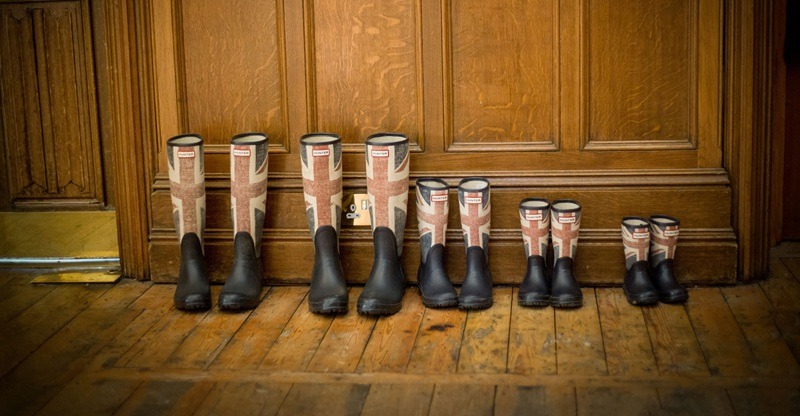
If you know you’ll be facing rain, deep puddles, or snow, a bit of prep work is essential. Standard everyday boots aren’t always equipped for harsh weather, but with the right treatment, you can give them a fighting chance against the elements. This is especially true for leather boots, which are naturally water-resistant but not fully waterproof without help. For children’s wellies, a simple clean and thorough drying after muddy or wet adventures will usually be enough.
The two main goals are conditioning and waterproofing. Conditioning involves using creams or oils to nourish the leather, keeping it supple and preventing cracks. Think of it as moisturiser for your boots. Waterproofing, on the other hand, involves applying a product that creates a barrier to repel water.
First, make sure your boots are completely clean and dry. Apply a leather conditioner with a soft cloth, working it into the material in small circles. Pay special attention to the seams and the area where the upper meets the sole, as these are common spots for water to seep in. Let the conditioner soak in for at least a few hours, or even overnight.
Next, apply your waterproofing treatment. For heavy-duty protection on smooth leather, a wax-based product is often best. Warm the wax slightly to make it easier to apply and work it into the leather with your fingers or a cloth. For suede, nubuck, or fabric boots, a silicone-based spray is the better option, as waxes will ruin their texture. If you’re treating children’s walking shoes or boots, check that the product is suitable for the material and any waterproof membrane before applying it.
When to Repair, When to Replace
Even with the best care, all boots eventually show signs of wear and tear. The key is to distinguish between a problem that can be fixed and a sign that the boots have reached the end of their life. Investing in a small repair can often give you several more years of use from an otherwise perfectly good pair of boots, saving you money and reducing waste.
A good cobbler is your best friend. They can work wonders on worn-out footwear. Common and worthwhile repairs include:
- Resoling: If the tread is worn smooth but the uppers are still in good condition, a cobbler can often replace the entire sole. This is particularly common with high-quality Goodyear-welted boots, which are designed to be resoled.
- Heel replacement: The heel is often the first part of the sole to wear down. Replacing just the heel block is a simple and inexpensive fix that can correct your posture and prevent further damage.
- Stitching repairs: A broken seam can compromise the structure and water resistance of your boot. A cobbler can re-stitch seams neatly and strongly.
- Replacing eyelets: If a lace hook or eyelet has broken or pulled out, it’s usually a straightforward repair.
However, some damage is a sign that it’s time for a new pair. If the leather itself has developed deep cracks that go all the way through, conditioning won’t save it. Similarly, if the internal lining is completely shredded or the waterproof membrane has been punctured, the boot’s core function is compromised and a repair is unlikely to be effective. And with children’s footwear, there’s another reason for replacement: they may simply have outgrown them. A good rule of thumb is to consider a repair if the cost is less than half the price of a new pair. For true shoe care mastery, knowing when to call it a day is just as important as knowing how to clean and polish.
Taking the time to look after your boots isn’t a chore; it’s a routine that pays off. A few minutes of cleaning and proper storage will help keep your trusted footwear – and your children’s shoes – ready for whatever your family’s next adventure throws at them.